
This weekend, while in the Bronx visiting family with my baby boy, I realized that my son would need white noise to help set the ambiance for bed time. A few weeks ago his dad and I both decided that we needed to restructure our son’s sleep schedule. He was sleeping late, at 11PM on most evenings, thus causing middle-of-the-night restlessness and late wakeup times which contributed to our mornings feeling rushed and stressful for all of us. I felt this worst during the time I had to commute to Newark to work during the first half of the week. My body even felt it on days I worked from home: our son’s sleep schedule reeked havoc on our family’s daily dynamic.
So a few weeks into the new year, we started rebuilding our 2-year old’s routine slowly incorporating calming, end-of-day elements: bath, then 1-hour story time, prayers, a bottle of warm milk and then sleep. However, there was something unexpected between milk and sleep that made the last step seamless. The addition of white noise visuals we played on YouTube while our son fell asleep as the anchor that made sleep imminent.
You see, when we played the YouTube video of splashing waves on a beach or tropical rainfall falling over leaves, it signaled sleep to our toddler in a better way that yelling ‘ time for sleepytime!’ every could. It was the sticky blob of bubblegum that made the concept and practice of sleep possible to a toddler with heavy FOMO.
What does this have to do with stickiness, what is stickiness, even? Bedtime became a breeze, we only had to follow the same steps in the correct order for this to work.
Every future business owner envisions how their business will help solve a problem. If they start a clothing brand that offers an inclusive range of sizes they’re solving systemic sizing unavailability for women of larger sizes. If they’re a business creating SPF products, they’re tackling widespread skincare misinformation and age-related fear mongering. These are primary examples of mission statements, they convey the solution to potential customers, especially those that are problem aware. However what resonates with the customer enough to garner their loyalty soon after the first purchase?
It goes beyond exceptional storytelling, branding, paid media, sms, email or even influencers. By themselves the can be considered tactics. Stickiness, however, is defined as your customer’s tendency to continue purchasing at your store. Stickiness can also be defined as your customer’s enduring loyalty to your mission. With stickiness, your product has not only proved to be vital to maintaining a certain status for your customers, it’s now fused into the essence of their being as well.
Some can attribute this to a great product but this is not always the case. You and I can probably come up with tons of brands with mediocre products with household level adoption. Like I mentioned before, stickiness goes beyond a specific tactic, it’s a full funnel strategy that binds your customer into the soul of your brand. In this post, I’ll show you specific examples of brands that have achieved gorilla-glue level stickiness.
Equip The ‘Hero’
I’m putting this in it’s own section because it’s that important. If you want to achieve stickiness you need to understand this core concept: your customer is the hero in their story, your brand is the hero’s sidekick. You’re the Robin, they’re Batman, you’re Mini Me, they’re Dr. Evil, you’re Cameron, and they’re Ferris Bueller. Your brand equips them with the tools they need to be the superstar they need to become to themselves and others. They’re evolving and your brand is the guiding light getting them to their renaissance.
Your product is the tool they need to get to make the vision of their life reality. In his book, “Building a StoryBrand”, Donald Miller refers to it as creating closure in your customer’s journey and explains it:
If we really want our business to grow, we should position our products as the resolution to an external, internal and philosophical problem and frame the “Buy Now” button as the action a customer must take to create closure in their story
Donald Miller, “Building a StoryBrand”, P. 69
But be careful. This kind of attachment become an ethical quandary if abused.
Disclaimer
Generally marketing is viewed as a manipulative art. It essentially is a way to position products and services to customers and convince them to purchase it. Getting people to part ways with their money or in the case of social media tech companies, their attention spans, comes with ethical repercussions. Achieving brand stickiness leads to a profitable end but does it justify the means?
Consider the effects of social media and it’s impact on human attention spans. The invention of notifications – the ping and notification icons alerting you to unread direct messages, friend activity and comment replies – are the kind of product stickiness that gives user’s brain dopamine hits. The effect of frequent dopamine hits has shown to have a negative impact on mental health and many experts say that dopamine loops lead to psychological addiction.
Keep this in mind when building stickiness into your brand.
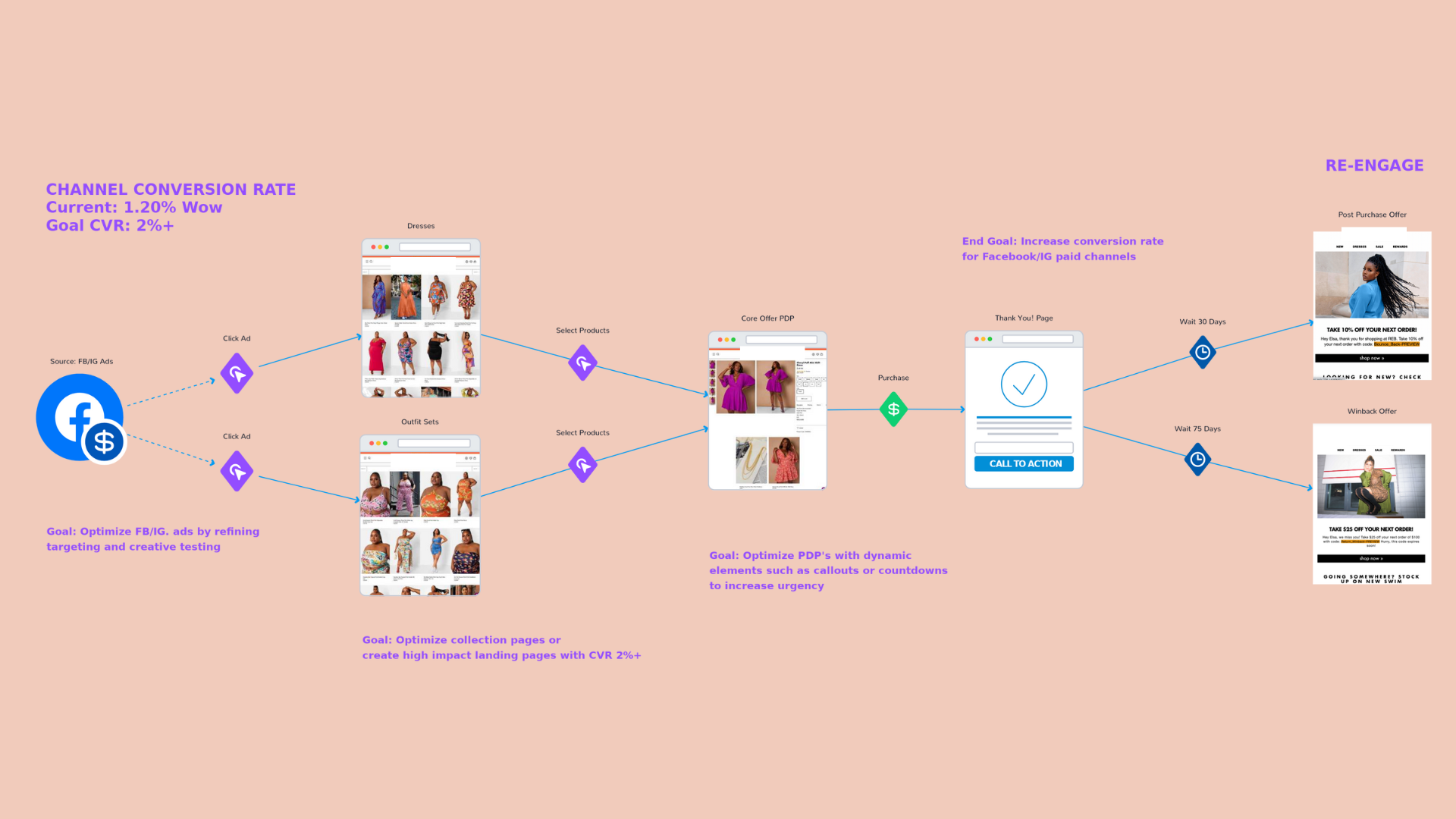
Hack the funnel
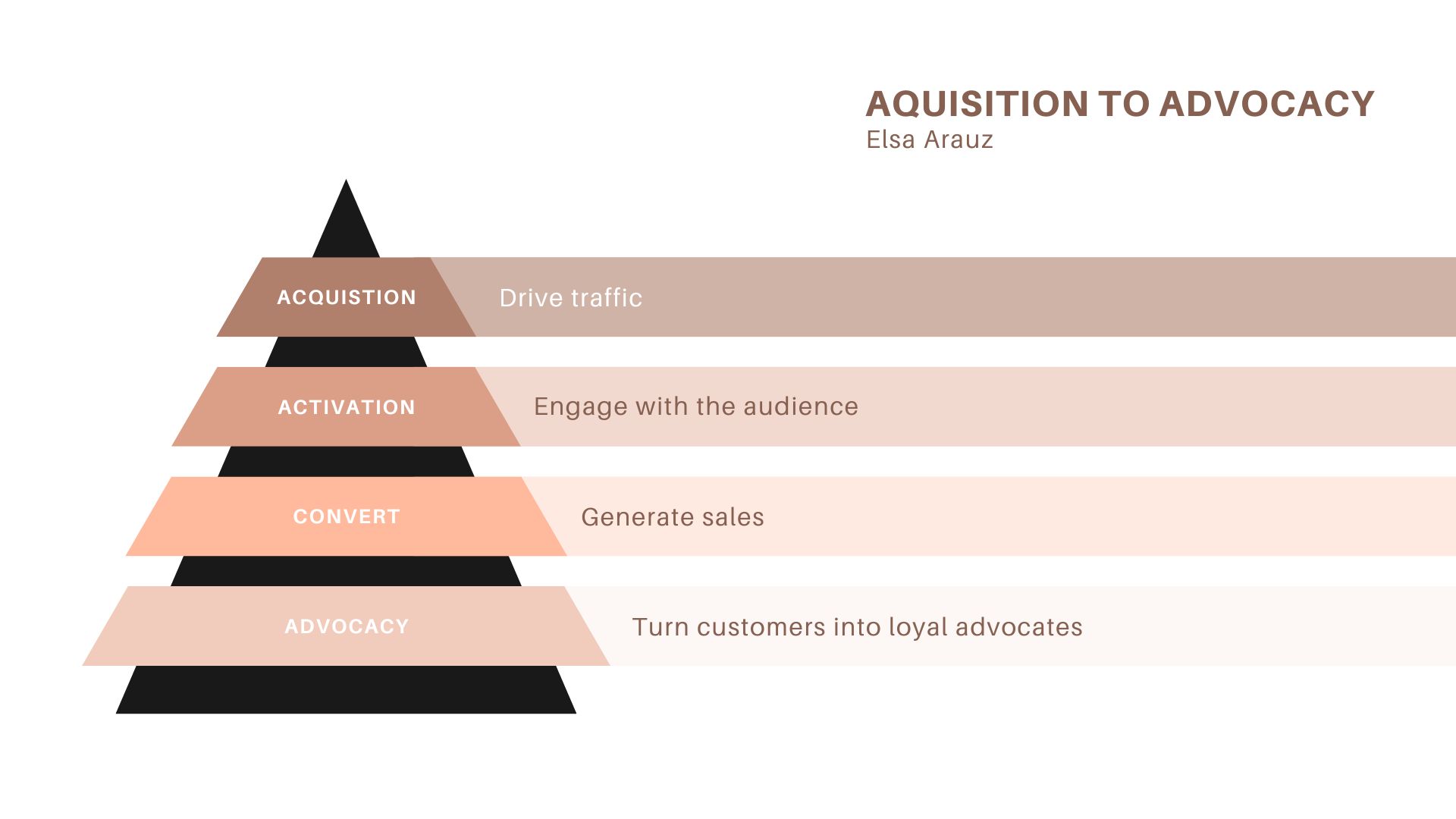
Lay out every step in your customer journey and assign KPIs measuring traffic, conversion rate, and customer behavior flows. You can now view your customer behavior flows in stages to understand how each touchpoint lead your customer to purchase and retention.
You can use a variety of reports to gauge how your customer is flowing through your funnel. Use free tools like Google Analytics to build reports that will tell you how your landing pages perform, where the majority of your traffic is coming from, average session time, add to cart rates, etc. Piece it together with reporting from Shopify or your storefront, if you use something other than Shopify. Let me know in the comments if you’d like me to show you what reports I use everyday!
“Hacking the funnel” is simply looking at all the touch points in your customer’s journey and figuring out where the holes are. Knowing where your drop-offs occur gives you the insight on what to optimize.
Sticky element #1: It’s audience defining
You’ve identified your customer as a hero, you’ve reviewed your funnel and found weaknesses. Now call them out in your web copy, emails, ads, social media, pretty much everywhere! What calling you audience out means is to identify with their problems and offer them the solutions your brand offers. Pepper, a women’s lingerie and underwear brand expertly calls out their audience thus attracting the right people to check out their offerings and purchase their products. They brilliantly define their audience: women with small boobs. You can find this reflected in these YouTube ads that I got served after visiting their site from a Facebook ad:
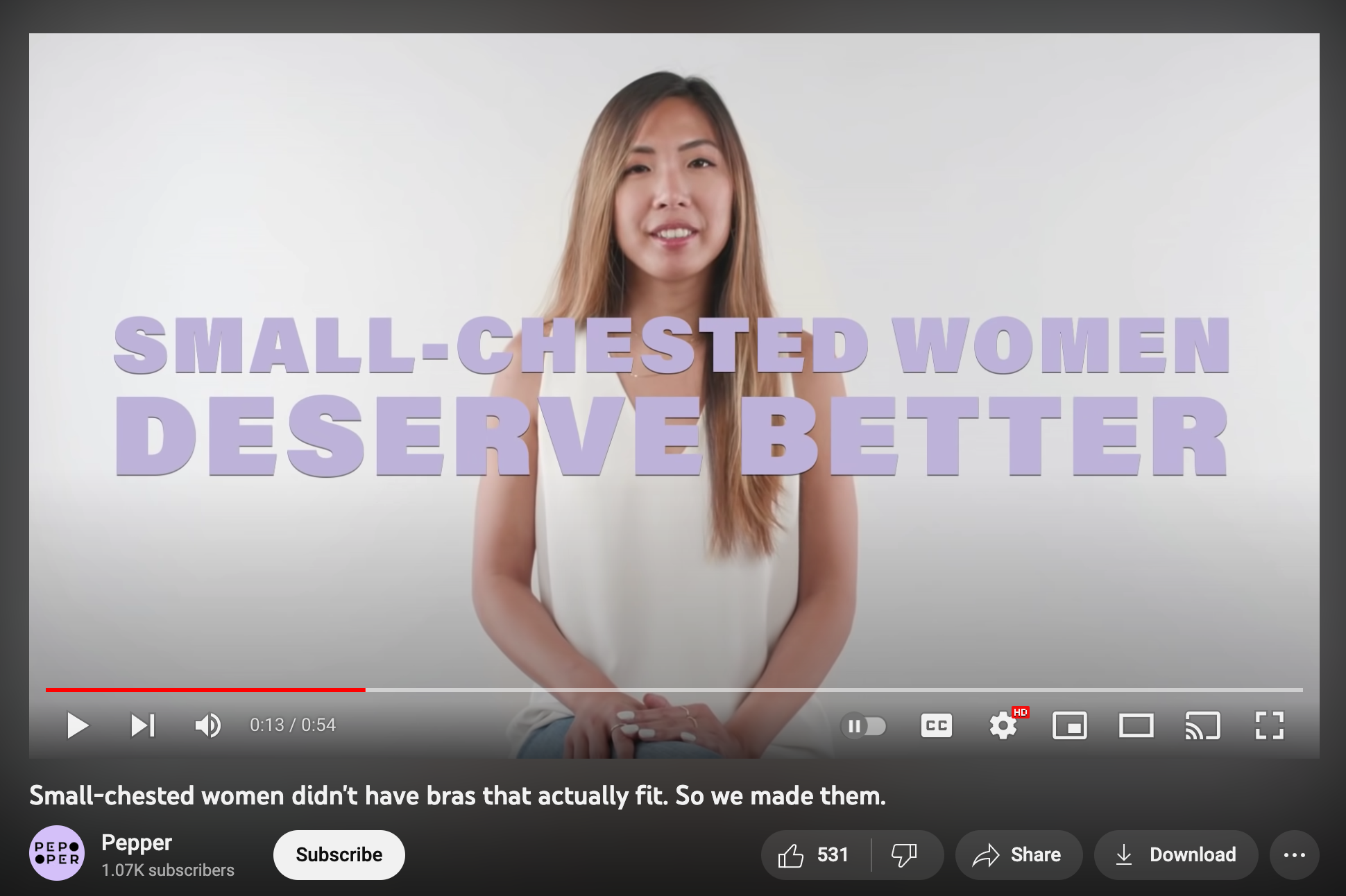
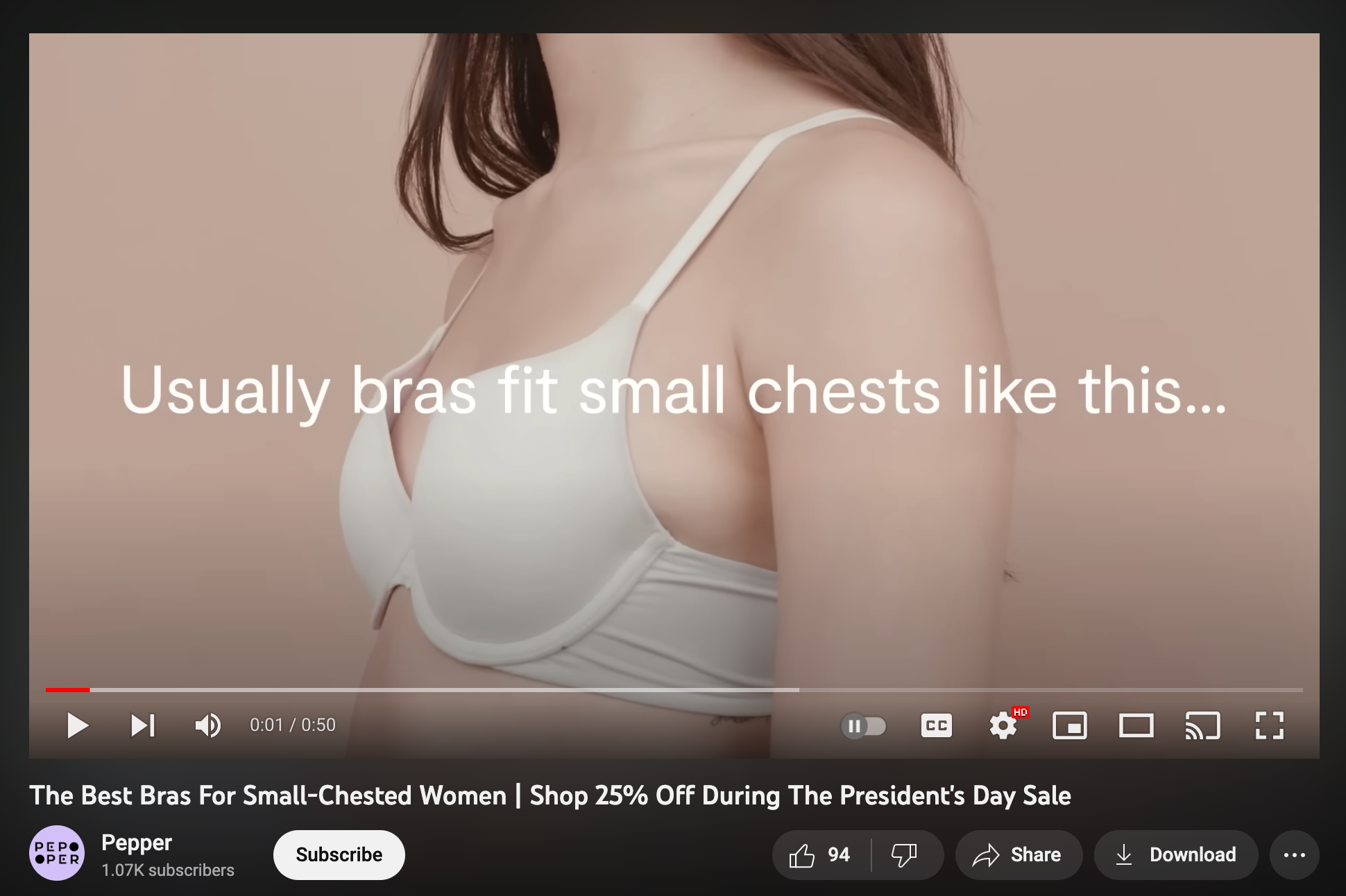
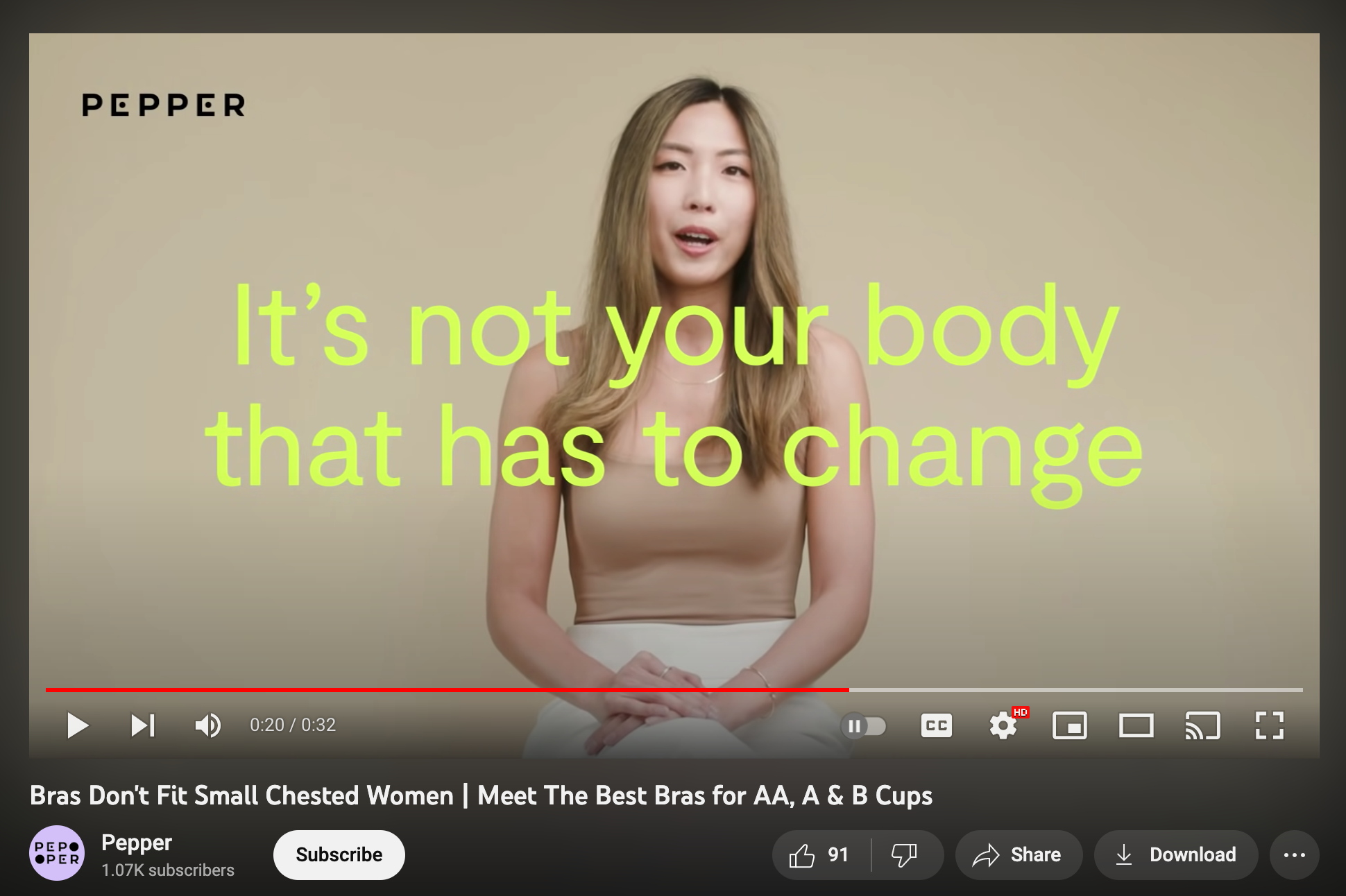
Brand and product stickiness first comes from defining your audience and getting brutally honest about their their issues with leading alternatives. This is the first step to locking in the person casually browsing your site into a customer and then into a raving fan.
Brand marketing plays a crucial role how this story is communicated so that it resonates clearly with the defined audience. These is why I’ll always argue for a brand marketer to join my team if I were building one – they are essential to the growth marketing process, trust me. Branding can be exceptionally sticky and there are very few brands that have nailed this. Multi-brand UK-based cosmetics retailer, BeautyBay is also a key example of a brand that has nailed branding down to its core: take a look at how their web copy defines their audience of beauty and makeup aficionados:
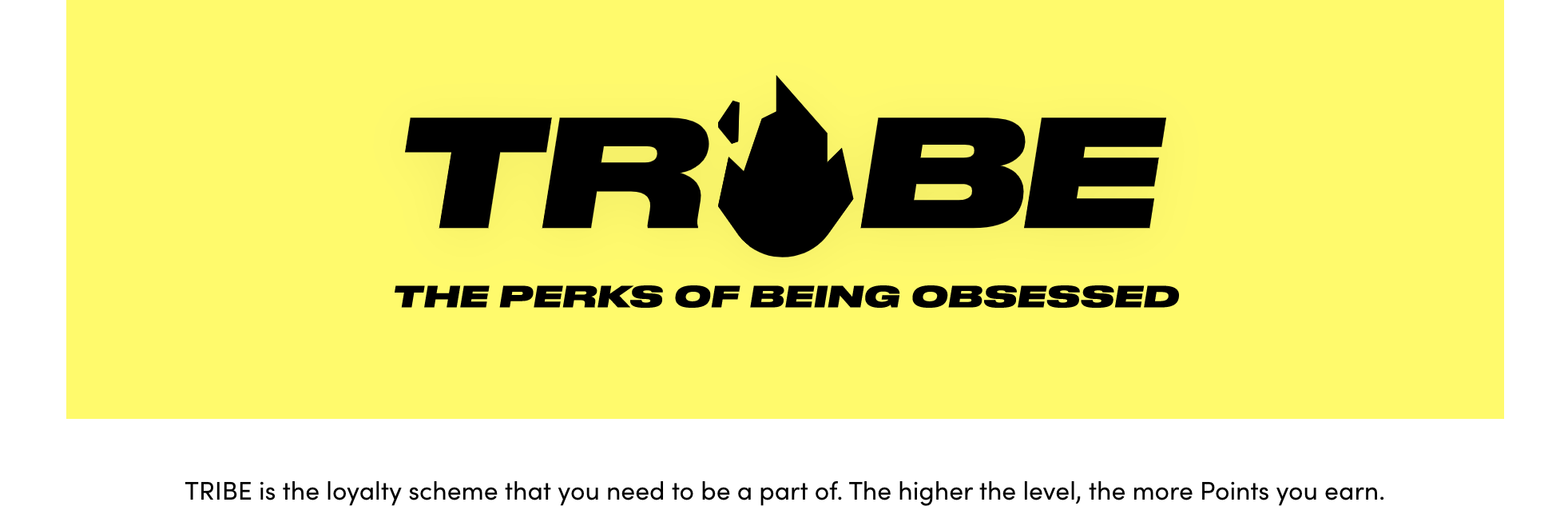
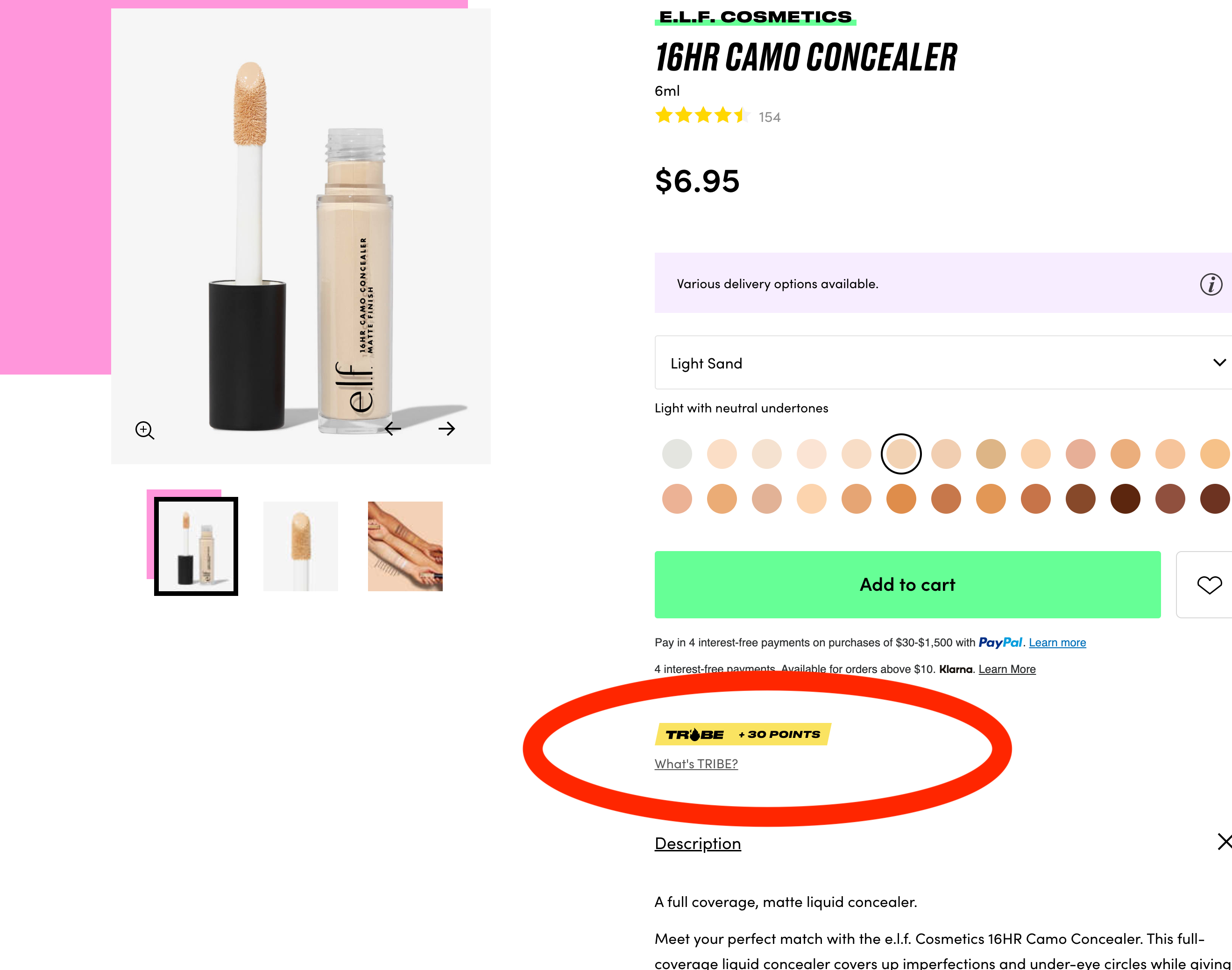
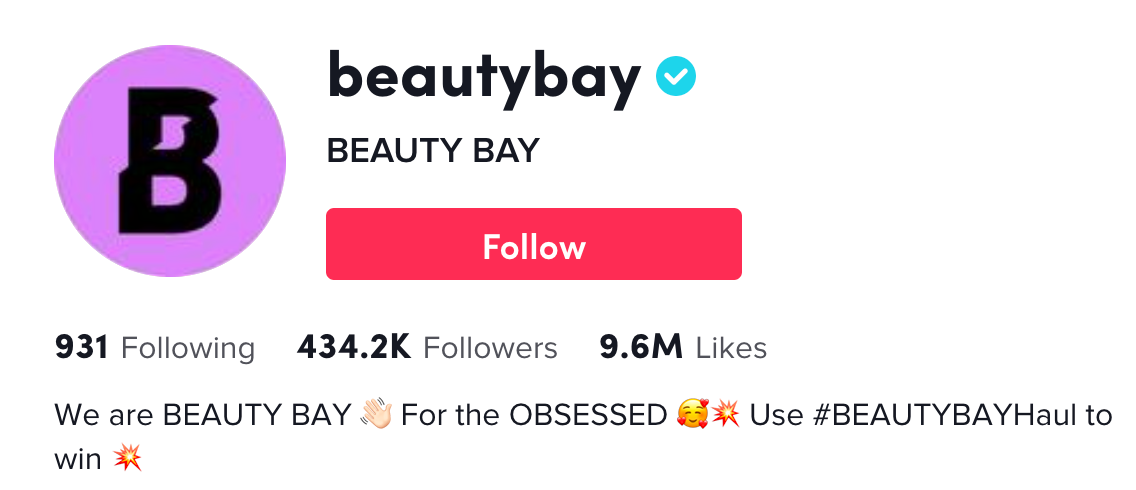
Don’t be afraid to call out your audience in your copy. This is the first step in resonating with your audience – acknowledge their presence. It’s how you say welcome to your audience.
Sticky element #2: It’s a guided journey
Imagine your customers innermost thoughts. The kind of goals they’re struggling to achieve. You’ve established them as a hero and your brand as their sidekick in this life of sin. You’ve called them out, empathized with them and welcomed them to the safety your brand offers. What’s next?
A guided journey for your customer to slay their dragons and find their happily ever after.
In his book, “The Best Story Wins: How to Leverage Hollywood Storytelling in Business and Beyond” Matthew Luhn believes that brands too often present themselves as the hero:
When your customers are cast as the hero, it takes the focus off of selling them on something and puts the focur on their needs and goals. Products are generally not the real hero, but they can help the hero achieve their goals. When you cast a person as the hero, you put business in it’s proper place and respect the agency and authroity of your audience.
Matthew Luhn, “The Best Story Wins: How to Leverage Hollywood Storytelling in Business and Beyond,” P: 105
How do we build the journey for our fearless hero? They’ve accepted the call and now they trust you. They’re now ready to slay their dragon. This is your customers journey can take the form of. a guided general funnel or a targeted strategy used to keep your customers linked to your product. It is now your chance to use actionable insights to optimize the customer experience in a way that leads your customer from awareness, consideration, purchase retention and then advocacy.
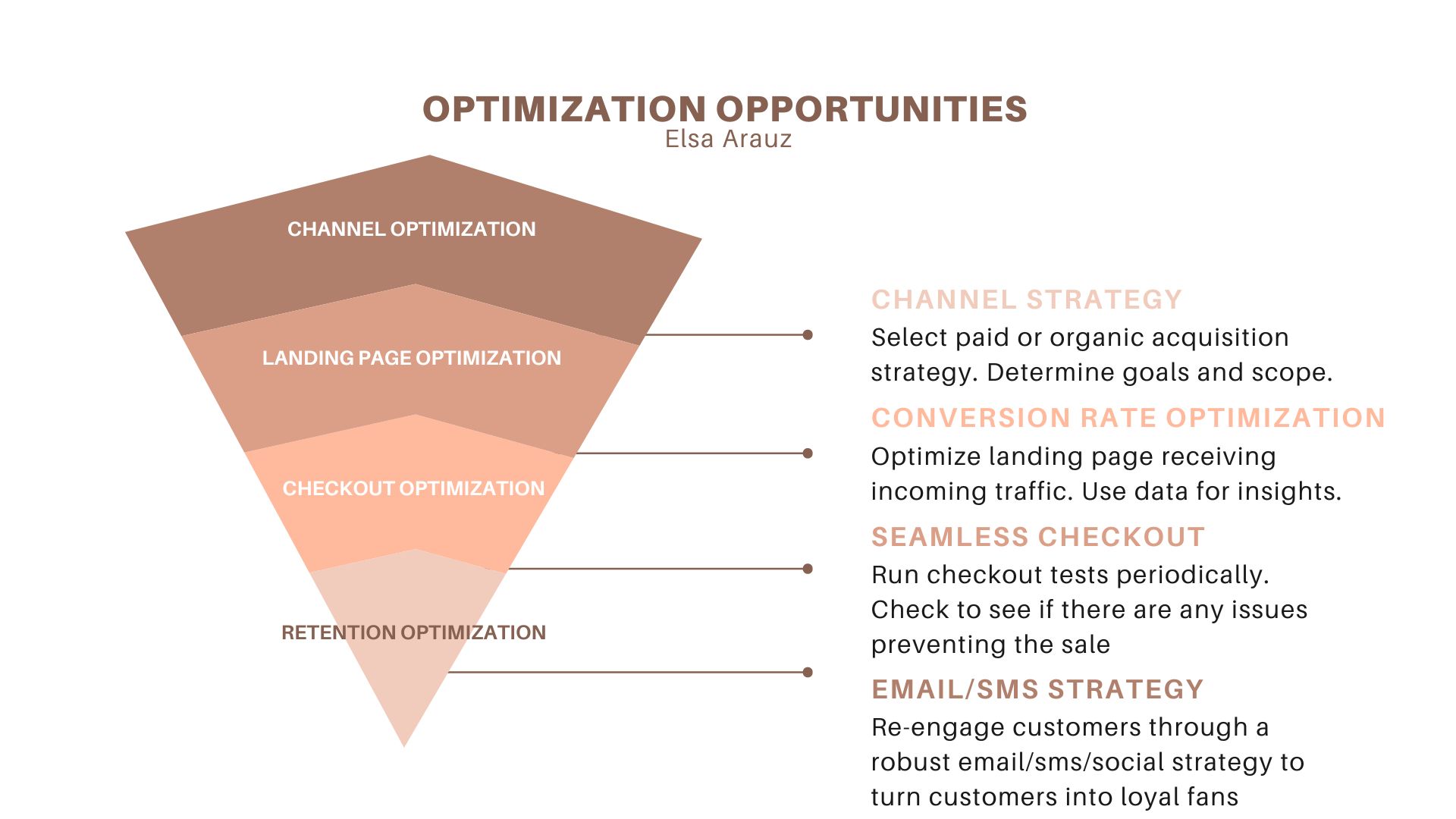
Every brand, every problem, every solution and every customer base is different. That is what makes the data collection and analysis phase so important. Analyzed data leads to insights or trends that will help you define the funnel based on your brand’s unique attributes. As mentioned earlier, the journey goes beyond the guided steps of a funnel. It can be as sophisticated as creating a competitive pricing strategy for your products or a nifty engagement loop that keeps customers waiting for your next product drop. Glamnetic is a eyelash and press-on nails brand that has perfected the art of stickiness that lives within the consumptive nature of their products and their expertly set pricing strategy.
Highly consumable products are a stickiness element in and of it self that I won’t feature because it digs into the very nature of the product. But let’s assume you don’t have a product that is trendy or has a less than 2-week consumption cycle. You can still make your product sticky in the same way Glamnetic has done through it’s pricing strategy:
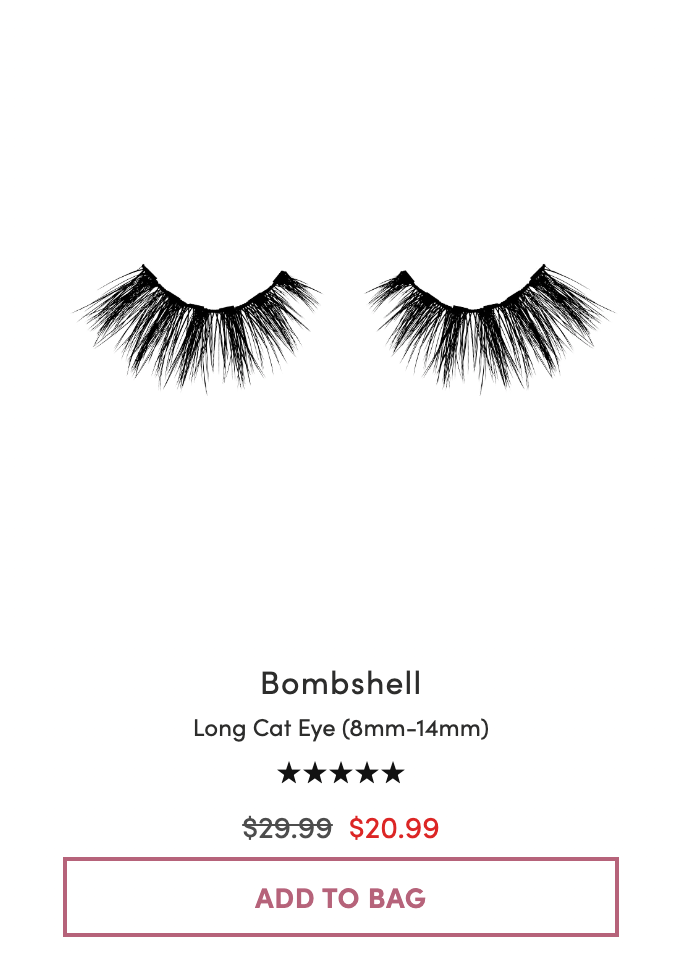
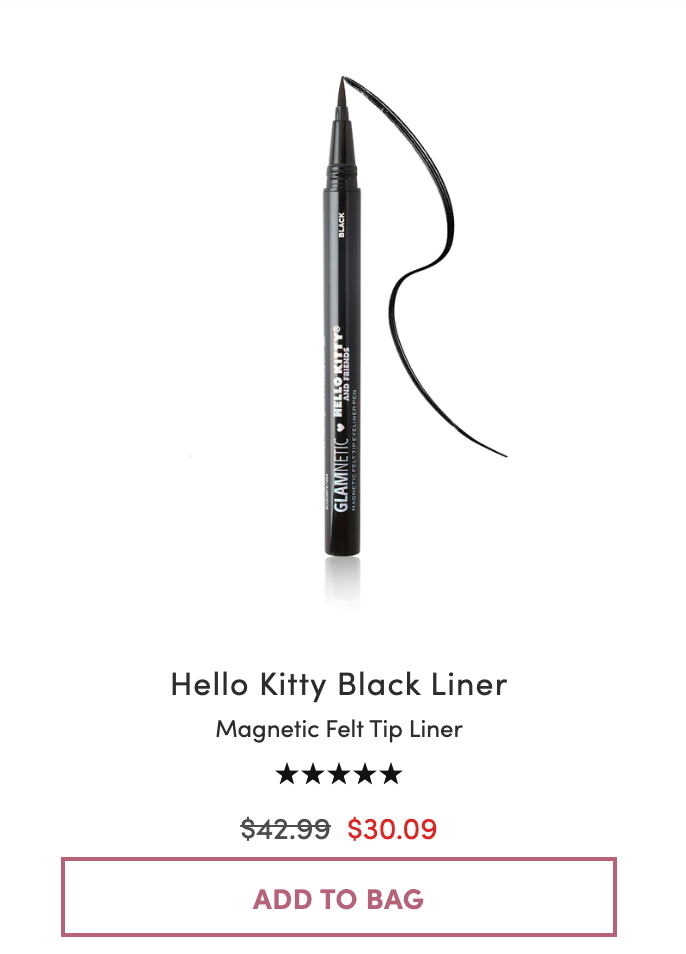
Their flagship product are false eyelashes that ‘magnetically’ stick on the eyelid with their accompanying eyelash liner. Despite the fact that these are two separate SKU’s, the customer needs to purchase both in order for product to work. This is where product strategy comes to place. Both products are designed to last many uses, but both products are priced differently to reflect how long it takes for the product to be consumed. Basically, the lash liner will only need to be replaced fewer times than the individual lash style will be. The lash liner is an integral aspect of the product’s promise, so it costs slightly more than the lashes. Glamnetic knows you will replace the lash style long before you’ve worn it 20X. This is how the prices are built into the product’s stickiness – by offering a consumable product at a lower price, they know your 2nd, 3rd and 4th order will be a ‘refill’ order thus securing their spot in your makeup bag where your eyelash liner already lives.
In another example, Beautylish’s product drop strategy is tried and proven. Signing up for their email list and downloading their app comes with serious perks. One of them include getting drop alerts leading to a sign-up landing page. While it appears redundant to ask returning customers to input their email address every single time there is a drop, Beautylish is building trust and loyalty through this strategy. It would also be interesting to see how this implicit micro conversion strategy translates into actionable data they can use in their CRMs or ads.
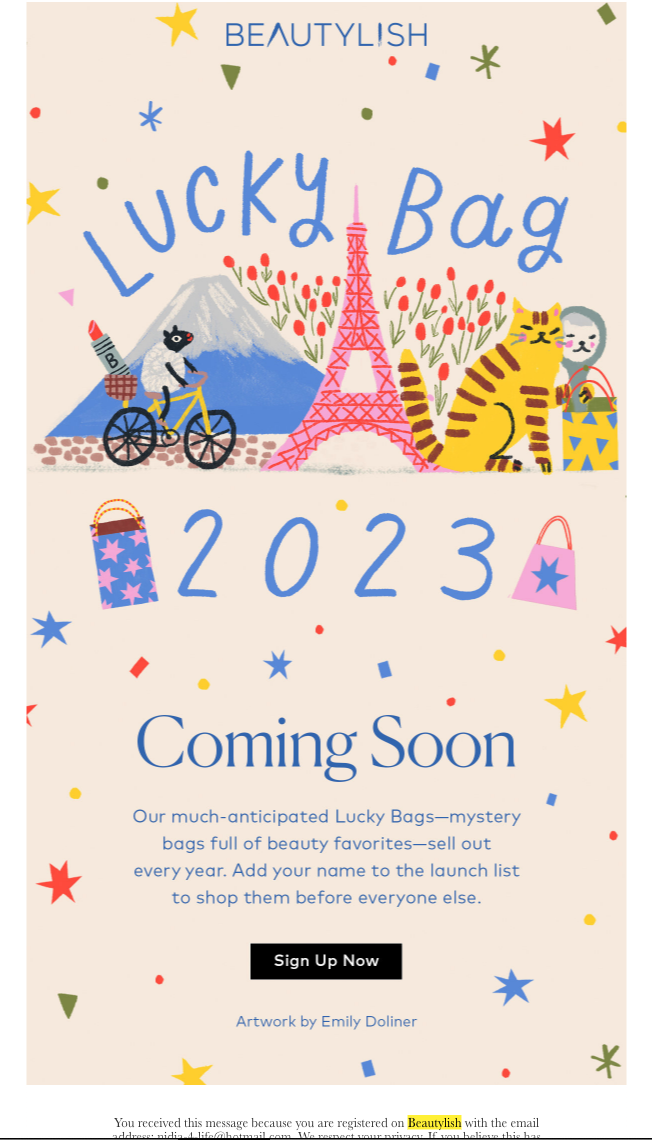
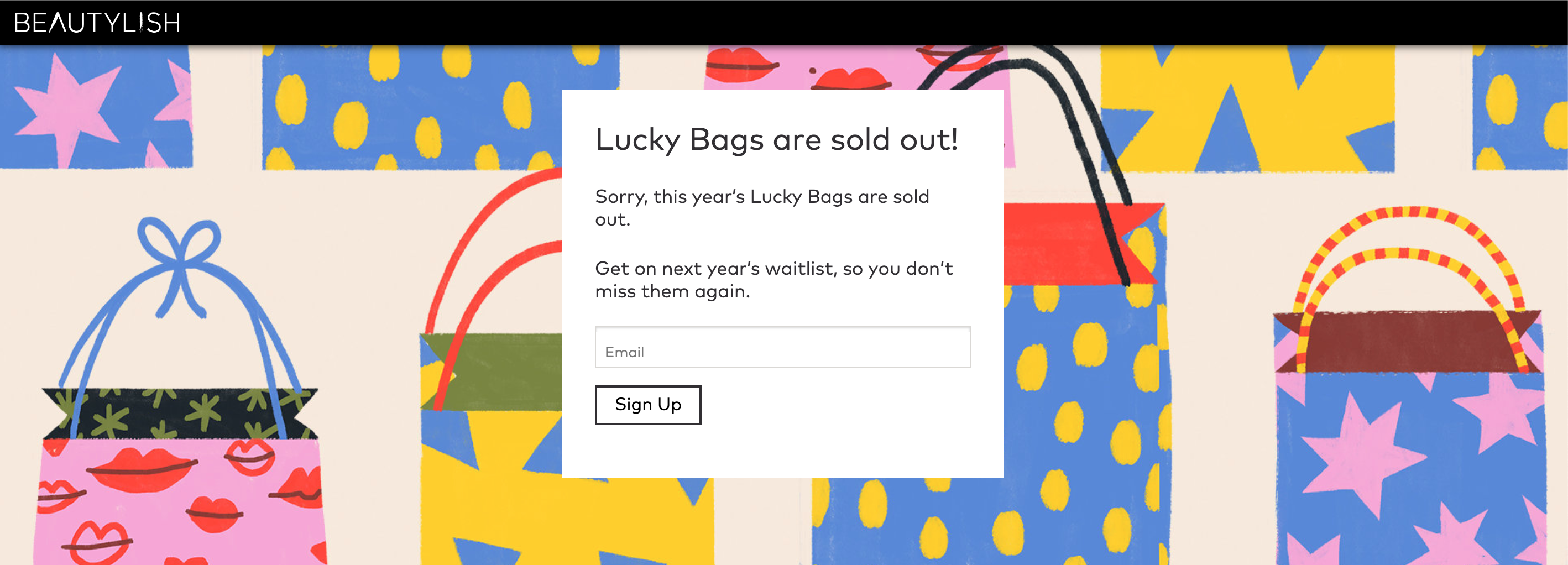
Hopefully these two examples show the different ways you can establish brand stickiness through a refined funnel or particular strategy. If you take on thing away from this know that it goes beyond what channels you use – it’s all about your customer’s desire and how you build triggers to keep your brand at the top of their minds which we’ll talk about in the next section.
Sticky element #3: It latches onto your customer’s mind
Ever hear a song you don’t initially like but find yourself singing at the most random times? You find yourself humming the tune when you come across a person, item or situation that loosely reminds you of it. That’s because it’s a catchy tune and I’m sure the artists, composers whoever produced the song used key elements to make it into an earworm. Now, you might not know how to do this in a song but good marketers create that same ‘earworm’ effect in their organic or paid strategies.
This is the third element of stickiness – and a creative marketer will find a way to manufacture it wisely through a content or social media strategy. And no, this is not the same as wanting to go viral. It’s a long term, highly calculated content strategy that check off the boxes for both brand building, community building and monetization.
I once read an amazing quote from Boss babe founder and entrepreneur Alex Wolf’s book “Resonate: For Anyone Who Wants to Build an Audience” that puts this type of stickiness into better words than I ever could:
And when I use [the word ‘resonate’] I don’t mean it as a simple sweet feeling. What I mean is a literal physiological experience where a) Something in your body feels like it moved, b) Something in your body really did move (goosebump, smile, tears, etc.)
Alex Wolf, “Resonate: For Anyone Who Wants to Build an Audience,” P: 16
A content strategy in and of itself won’t establish stickiness. Stickiness lies in how resonating and authentic your content is. Few brands have mastered this, however, in this section I’ll discuss two brands that have the kind of content that their fans rave over time and time again: Swank-A-Posh and Cherie.
What you DON’T NEED to have a good content strategy:
Good content does not have to be high production
Good content does not have to be posted frequently
Good content does not have to be serious or professional all the time
Good content does not have to be written.
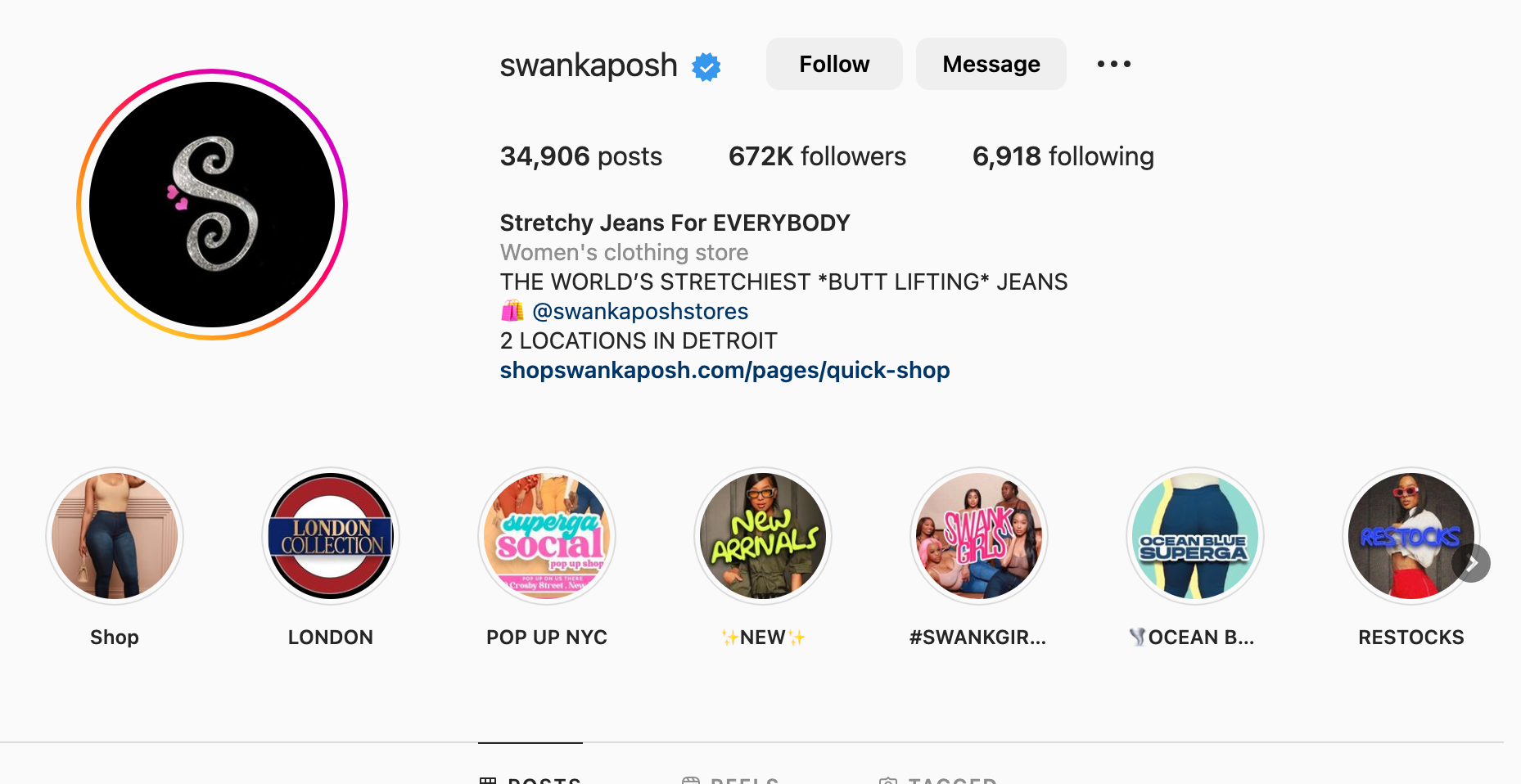
Swank-A-Posh does not have a blog, but their content strategy lies in their social media posts and in-app content. Swank-A-Posh is a fashion brand with a very targeted audience: Millennial, black women or women of color interested in urban fashion and deeply invested in black celebrity culture. Swank-A-Posh’s messaging is raw but authentic to their audience. Their clothing and their messaging is not for everyone and they’re unapologetic about it.
They’re not shy about tackling a common taboo that permeates the fashion and beauty world: plastic surgery, specifically Brazilian Butt Lifts (BBLs).
There’s a lot to be said about how the fashion and beauty capitalizes on making women feel insecure about their bodies. But Swank-A-Posh stands out by not shying away from the topic and being pretty upfront about it through their core product SuperGa Jeans, made for curvy bodies (BBL or not) and their shape-wear products that promise to ‘snatch’ the waist.

Another brand to leverage stickiness through on-the-nose content was Cherie. Well, Cherie was a beauty review app and not a DTC brand. However, because Cherie was a tech company focused on metrics like DAU, daily active users and churn rates, the concept of stickiness applied. In fact this concept of stickiness is derived from tech product marketing but is applicable to anyone who sells anything.
Cherie was a fantastic example of an app that understood their users well. In the way Glamnetic achieves stickiness through it’s pricing strategy, INH achieved it through repurposing strong social content into ads:
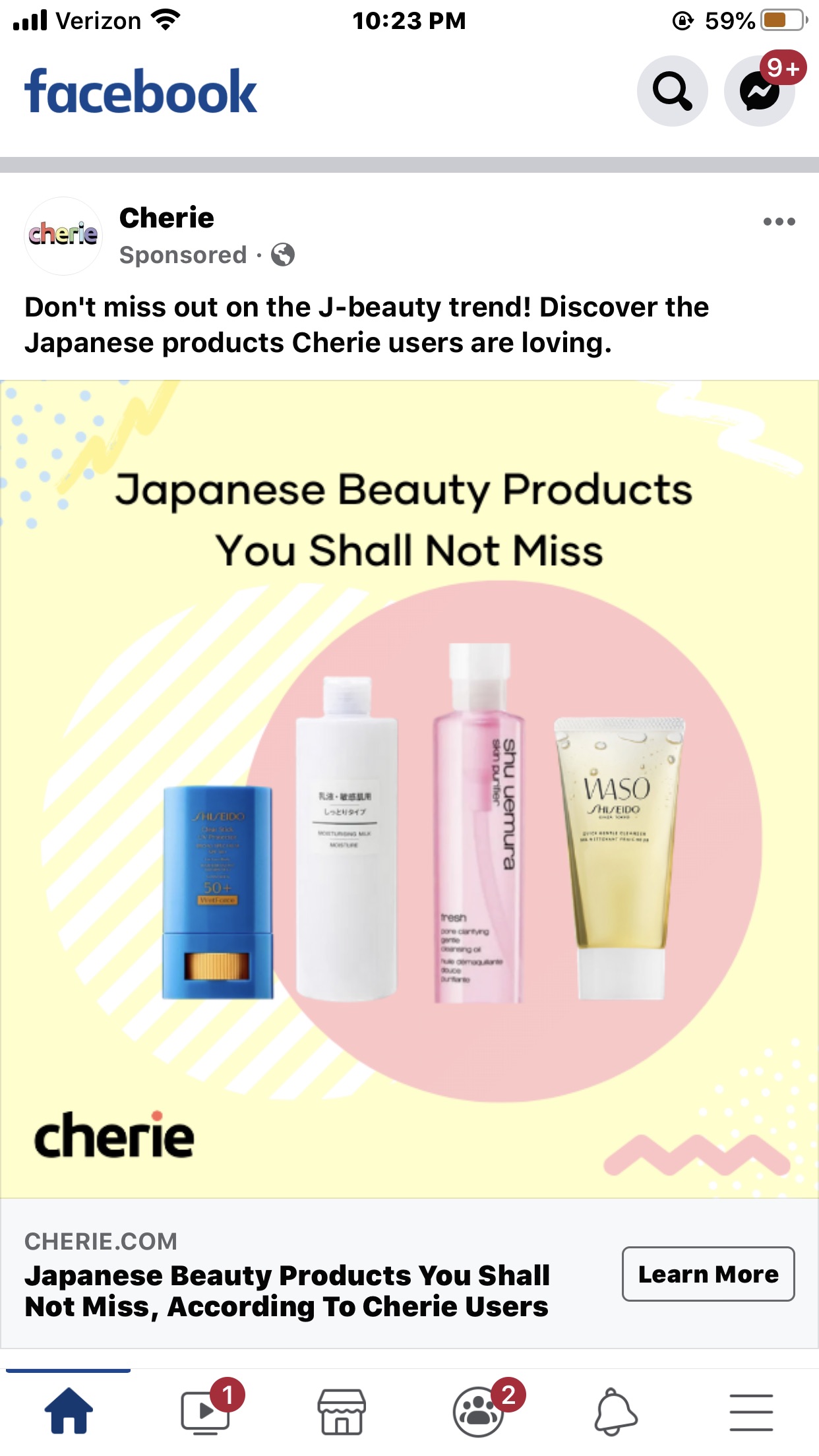
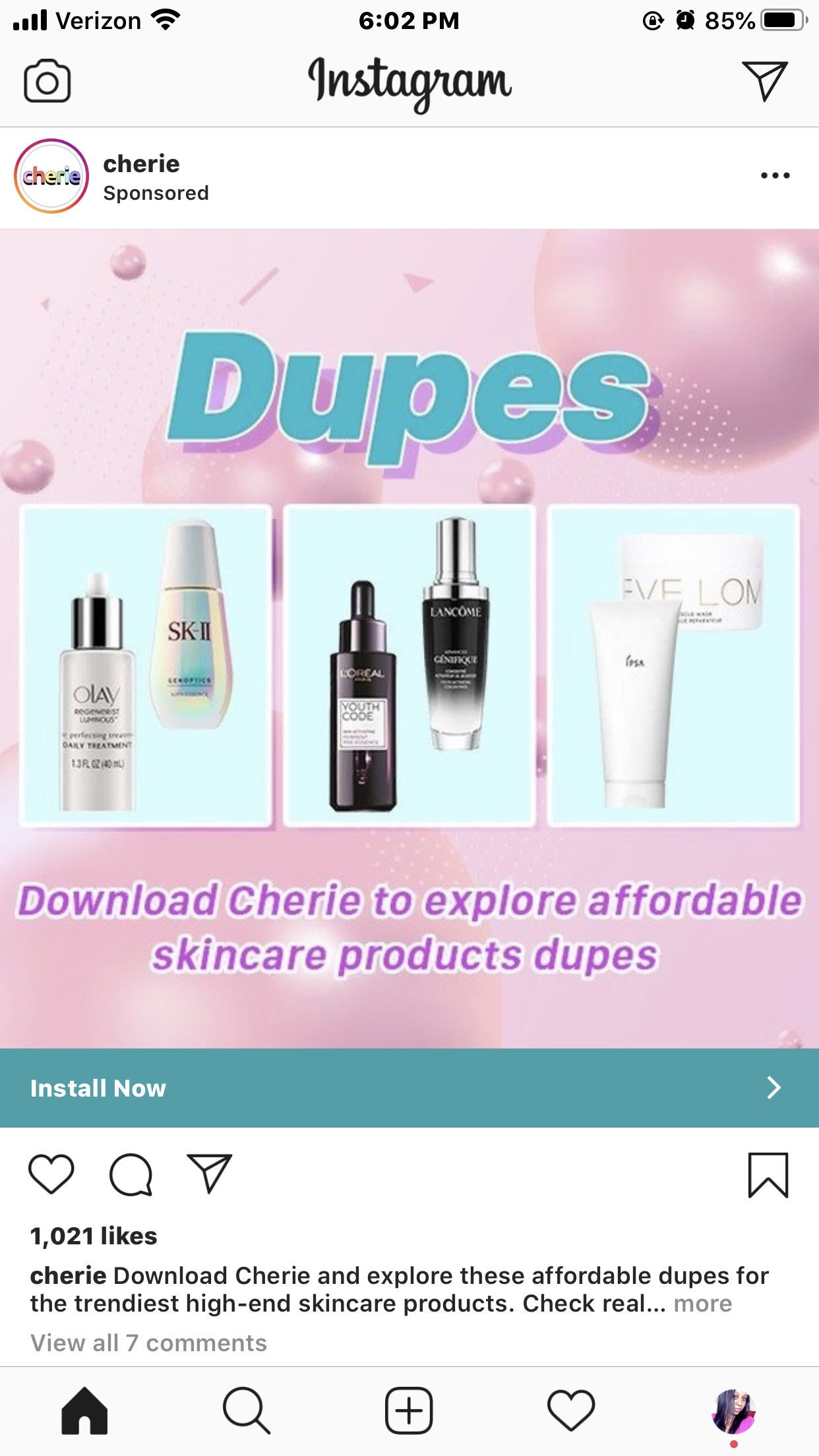
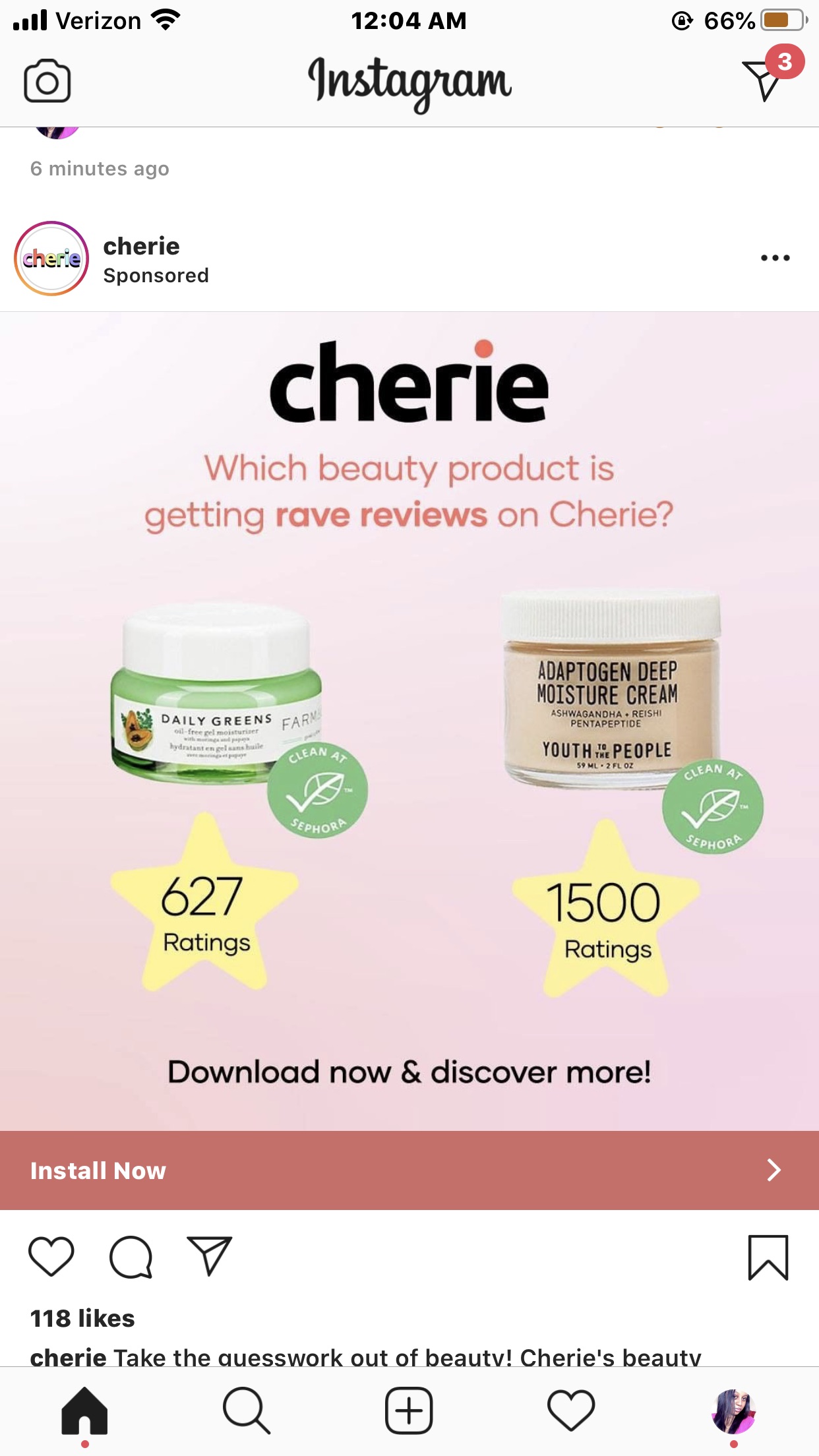
These were some of their ads served to me during the Summer of 2020 and I immediately took these screenshoots as soon as they popped up on my Instagram feed. These simple static ads invited beauty lovers to install their app to get the scoop on just reviews, but also product ingredients, affordable ‘dupes’ of cult favorites or discovery of international brands.
How to know your brand has achieved stickiness
I’ll start this section reiterating that stickiness can come in many forms. It’s more than just engagement and retention. At the base of it all, it’s brand building and having a profound understanding of your customer. This is why I advocate for brands to invest in getting to know your customer because that knowledge is the building blocks of a fantastic relationship between your brand and your customer.
With that being said, knowing when your brand has achieved stickiness may be detected through many metrics. But here are a few I would measure and keep my eye on:
Customer Lifetime Value (CLTV)
Your Customer’s Lifetime Value is defined as the entire lifecycle of your customers once they’ve entered your funnel. This metric is considered especially valuable for subscription and SaaS brands, but I feel that it is easily applicable to other business types/industries. Anyway, a strong customer base is at the foundation of a strong business.
Chargebee, a popular payment processor for subscription based businesses defines CLTV as:
Customer Lifetime Value (CLV or CLTV) is the average revenue you can generate from customers over the entire lifetime of their account. In simple terms, it is the money you would make from a customer before churning.
You’ll want to determine what your average CLTV is for your brand and observe if it grows over a span of 6 months to a year. This is the one metric you want to track for the long term. Remember, impactful marketing is a long play so as you start thinking what strategies and tools to build stickiness, know that you may not see the impacts of your efforts until a few months have passed. Don’t be discouraged by this – the investment always pays off. (I’ll explain why in a future post!)
Repurchase Rate (RR)
This metric will measure the interval of time it takes for cohorts of new customers to make repurchase. Matthew Sutto defines this in his Medium article entitled Repurchase rate — the most overlooked eCommerce KPI as the following:
Repurchase rate is the percentage rate of a cohort having placed another order within a certain period of time, typically calculated within 30/60/90/180/360 days from the first order.
The best way to do is to perform a Cohort Analysis and define the best interval that works for your business and see if that interval of time between the first and second order shortens. You will find that the RR increases and this is the key indicator that you’re headed in the right direction.
So many things can be attributed to your customer deciding to make that first reorder: they may have seen a retargeting ad, been influenced by a sales email, or seen an influencer video on TT about your brand. All in all, make sure you are applying all of these considerations when you look at this metric because it’s so easy to misread and misunderstand.
So, what did we learn today?
Achieving brand stickiness is within reach for every single brand, no matter what you sell! Whether you sell high luxury shoes or air filters, there is stickiness to be found in how well you understand your customer. What will you do today to get started? Watch out for a future post on the tools I recommend for getting to know your customer beyond their demographics.
Never stop experimenting!
Elsa


