
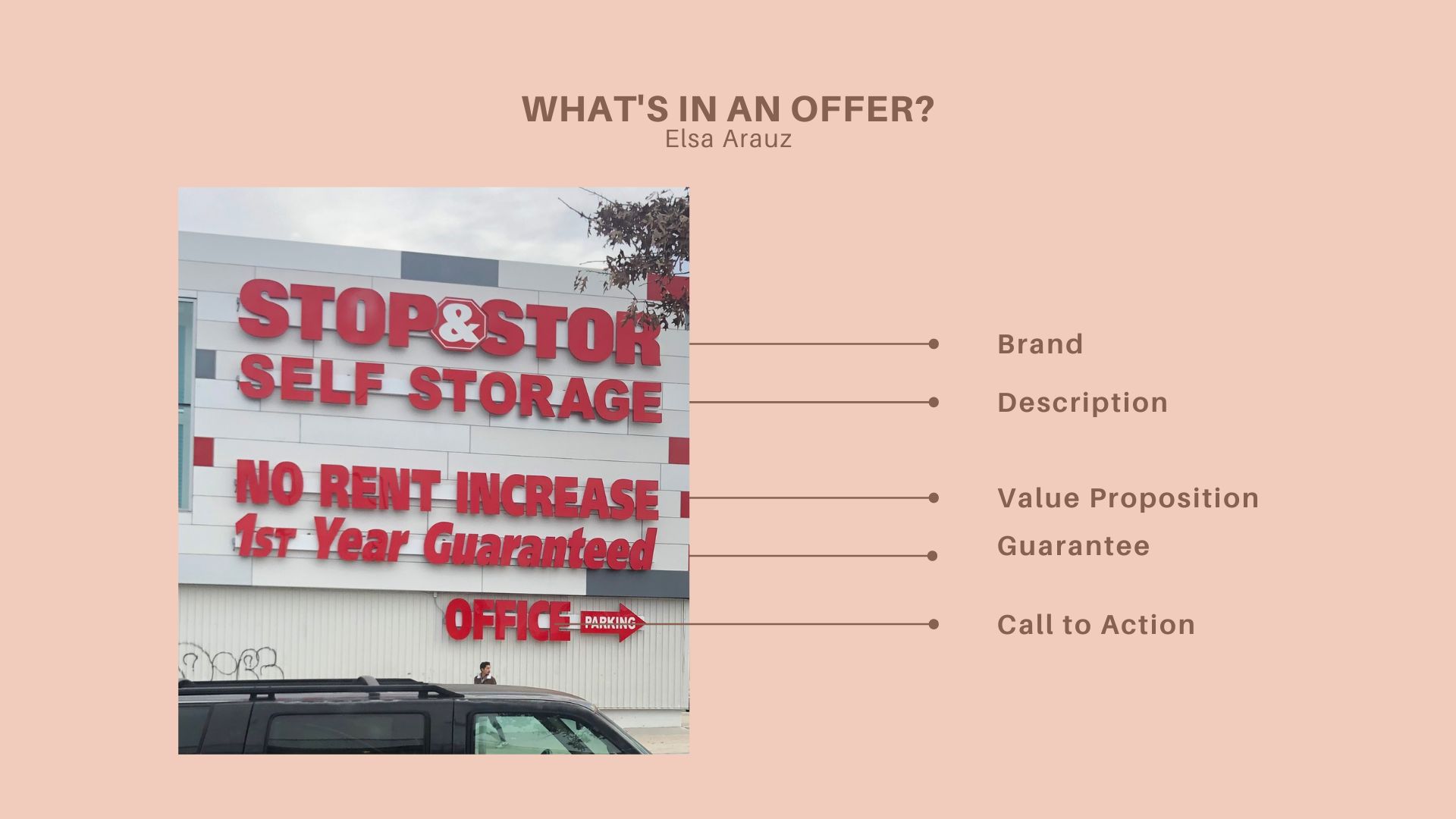
Whew, if I tell you the amount of times I’d stop to read the sign on the side of this building during my long summer walks with my toddler, you’d wonder why a New Yorker like myself is stopping to read signs on buildings in the first place. Let me tell you, contrary to popular belief, I’m a New Yorker that loves the long scenic route. I’ll even stop to read a random “Missing Cat” poster on a lamppost if the cat is cute enough.
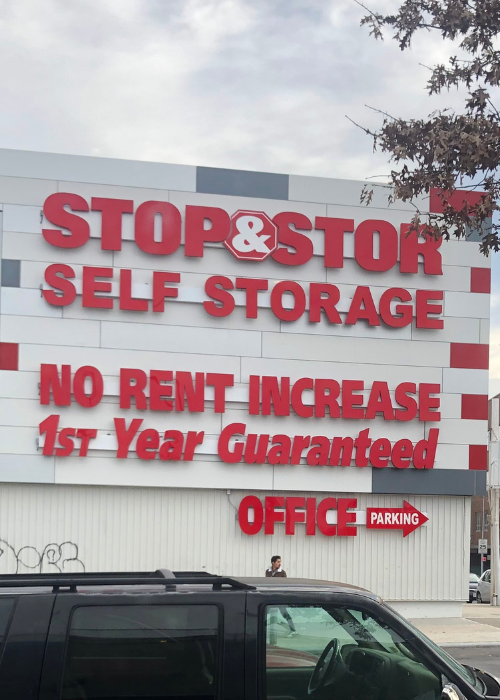
But if you’re a marketer like me you benefit a lot from observing the world around you. Some of my best ideas hit me during walks or on an evening commute home where I get to overhear conversations and see the subway ads. Inspiration can be anywhere and a good offer is always out there for you to uncover.
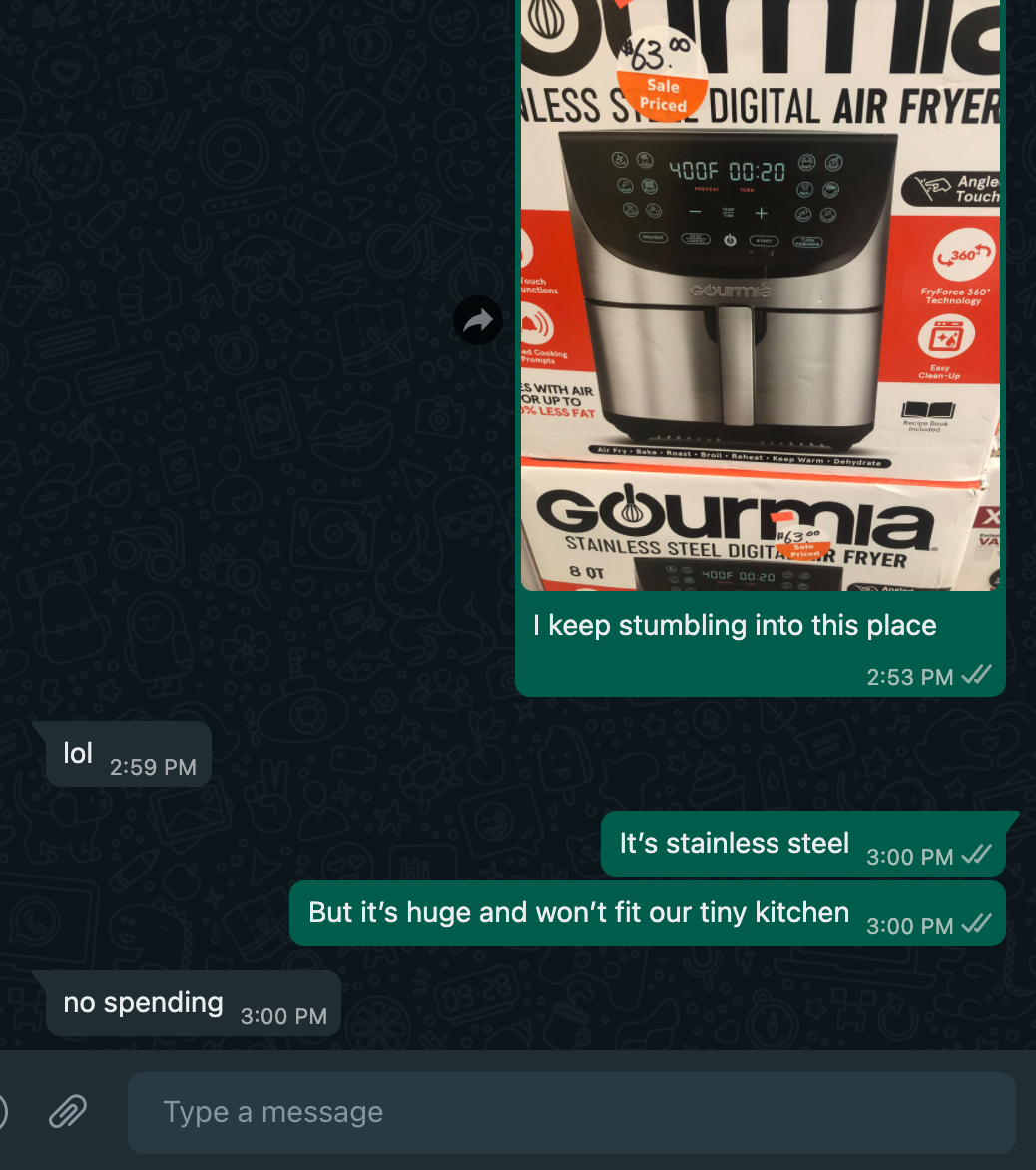
In this post I’m going to go on my soapbox about offers. As a newly unemployed mom, I LOVE a good offer. My husband jokes about the many times I’ve “stumbled” into our local liquidator store. More often than not, I go there just to get inspired on what to buy and let the vibes lead me in the right direction. Today I almost bought an air fryer. It was just that affordable.
However, a good offer doesn’t always mean a discount. This is where novice marketers get wrapped up in thinking that everyone will be happy with a discount. OK, yes, everyone loves a good discount, but discounts are not the only way to communicate value. Plus, there are reasons you might not want to head your acquisition efforts with a discount. Here are a few off the top of my head:
- Discounts can attract the low-value customers: They are motivated by a discount and may not purchase your product at full price – ever.
- Discounts can hurt your margin: If you haven’t calculated what it costs to operate, produce, market and ship your product then adding a discount will eat up the rest of your available profit margin.
- Discounts can damage the perception of your brand’s value: In a saturated market where branding is hard to build and difficult to keep consistent, discounting can destroy the perception of your product’s quality.
- Discounts can destroy your pricing strategy thus impacting your pricing power: Similar to #3, if wrongly implemented, discounts can have a long term effect on how high you can price your products against the competition.
Good offers are important. They can drastically improve ad campaigns, improve overall conversion rates, retain customers, and communicate value. A well crafted offer moves prospecting audiences to purchase and sets the tone for a strong retention strategy. It hits the heart of the customer’s deepest objection and shows customers the path to their transformation. A good offer is an open door. An invitation to leap into the next chapter.
As a consumer myself, if an ad is targeting a sore spot, a good offer will speak to my soul and gets me excited about taking the first step:
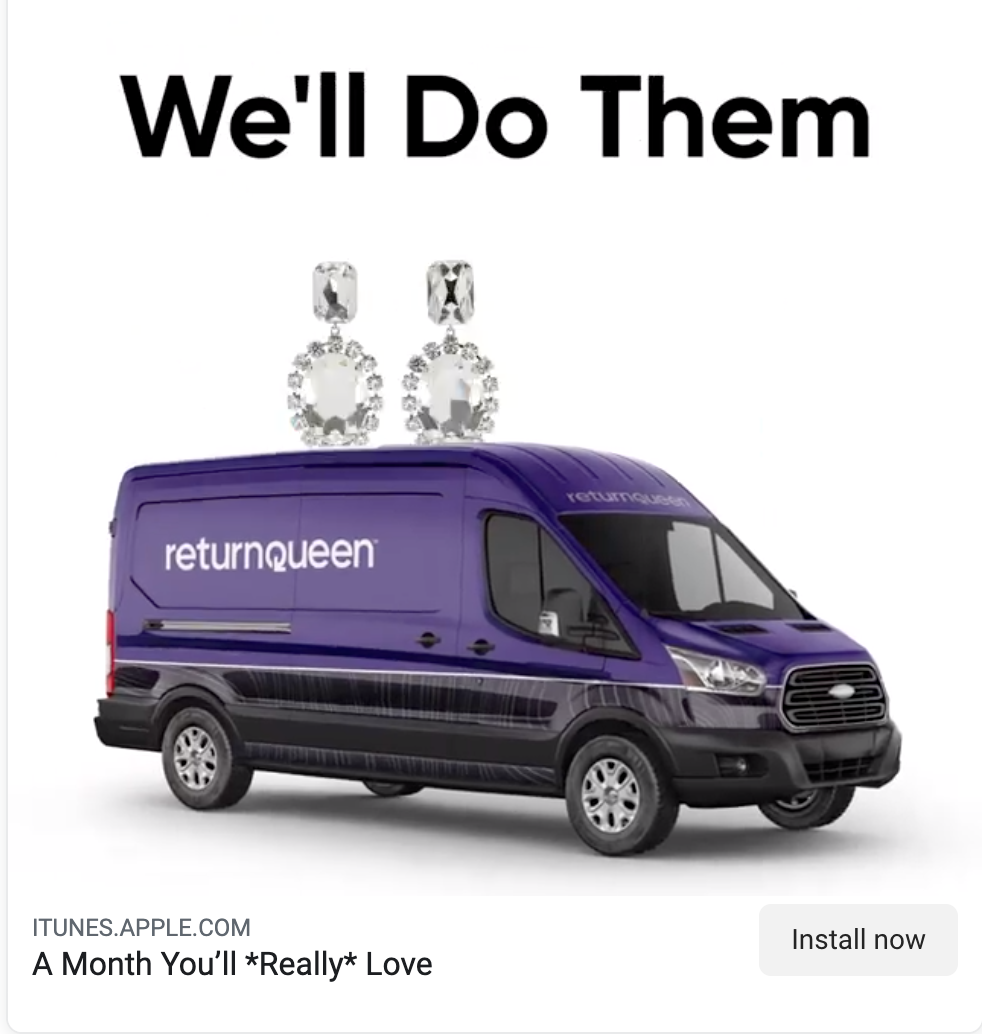
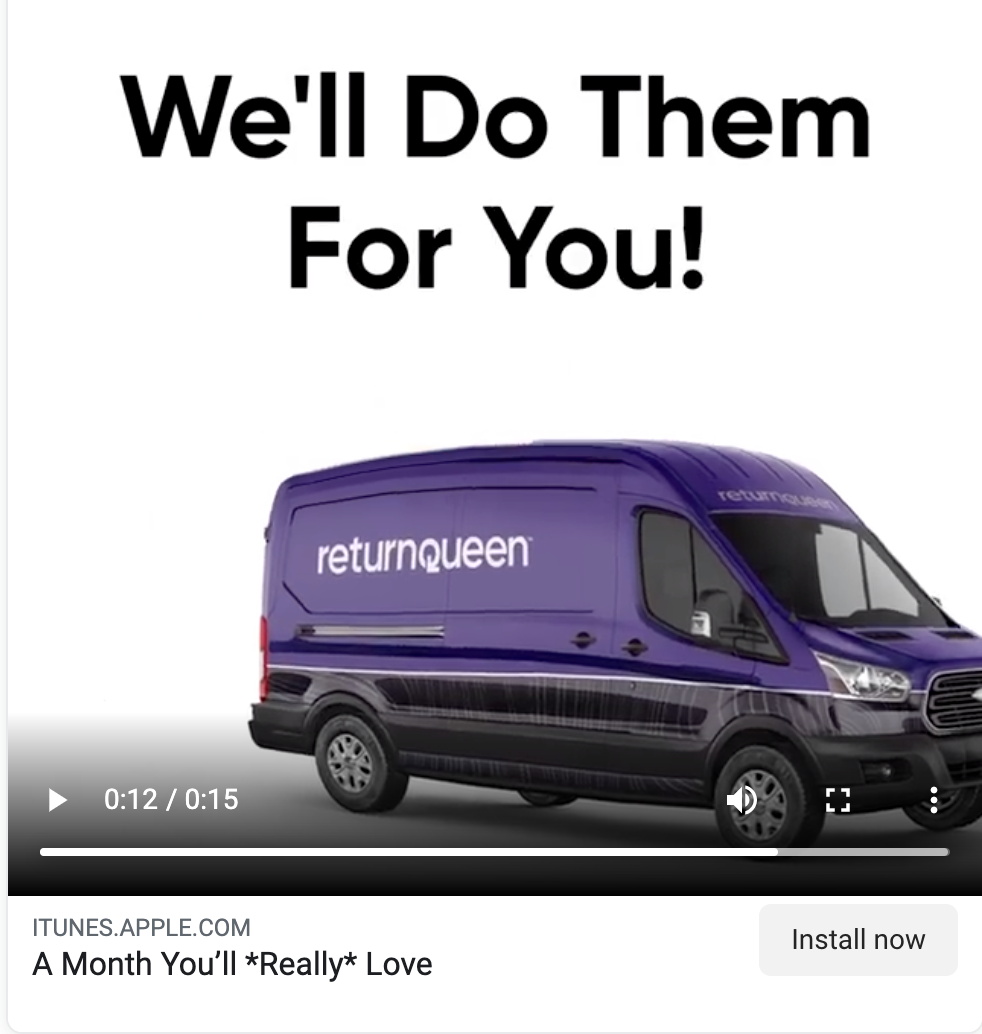
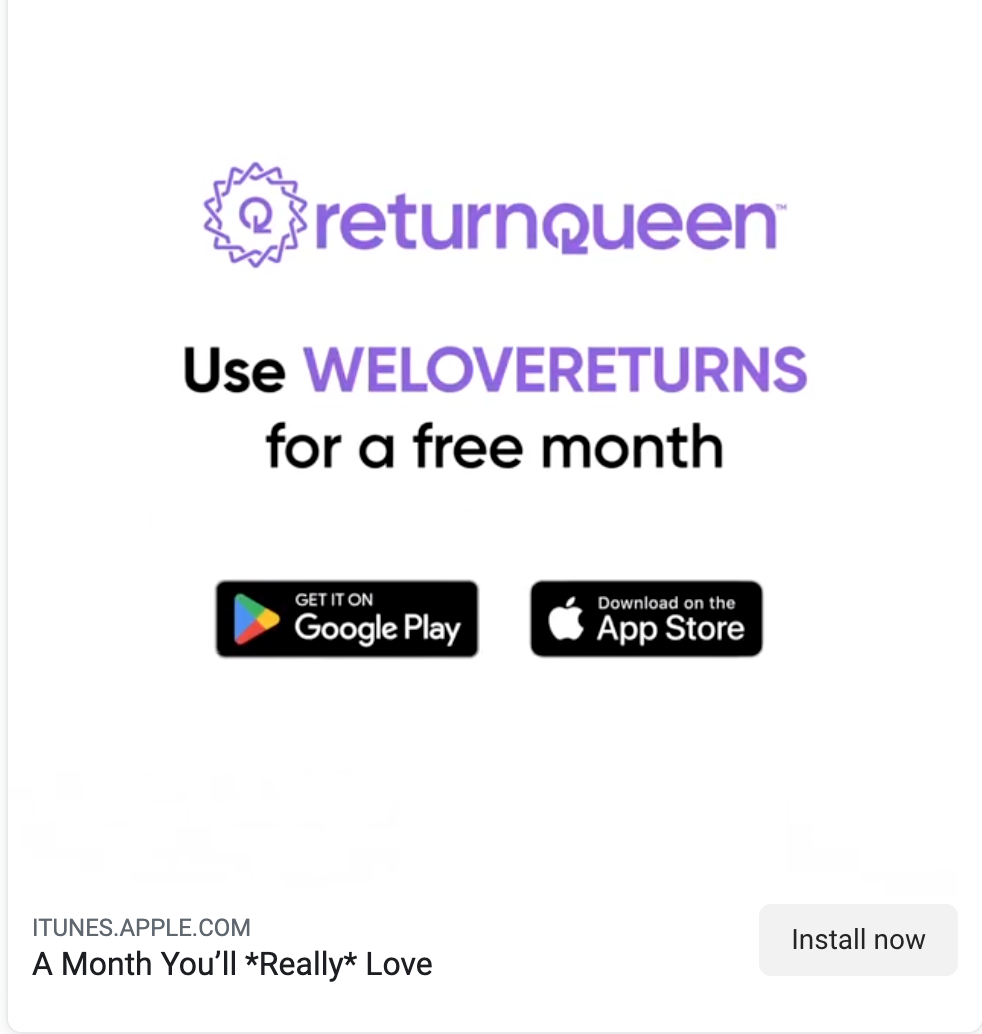
Return Queen is an app that handles returns for avid online shopper like me. This was the ad that got me hooked. It was also the ad that got me to immediately download the app and start my first return. At this point my interest is beyond piqued – I’m signing up or grabbing my wallet immediately.
Elements of a good offer
Element 1: A good offer inspires immediate action.
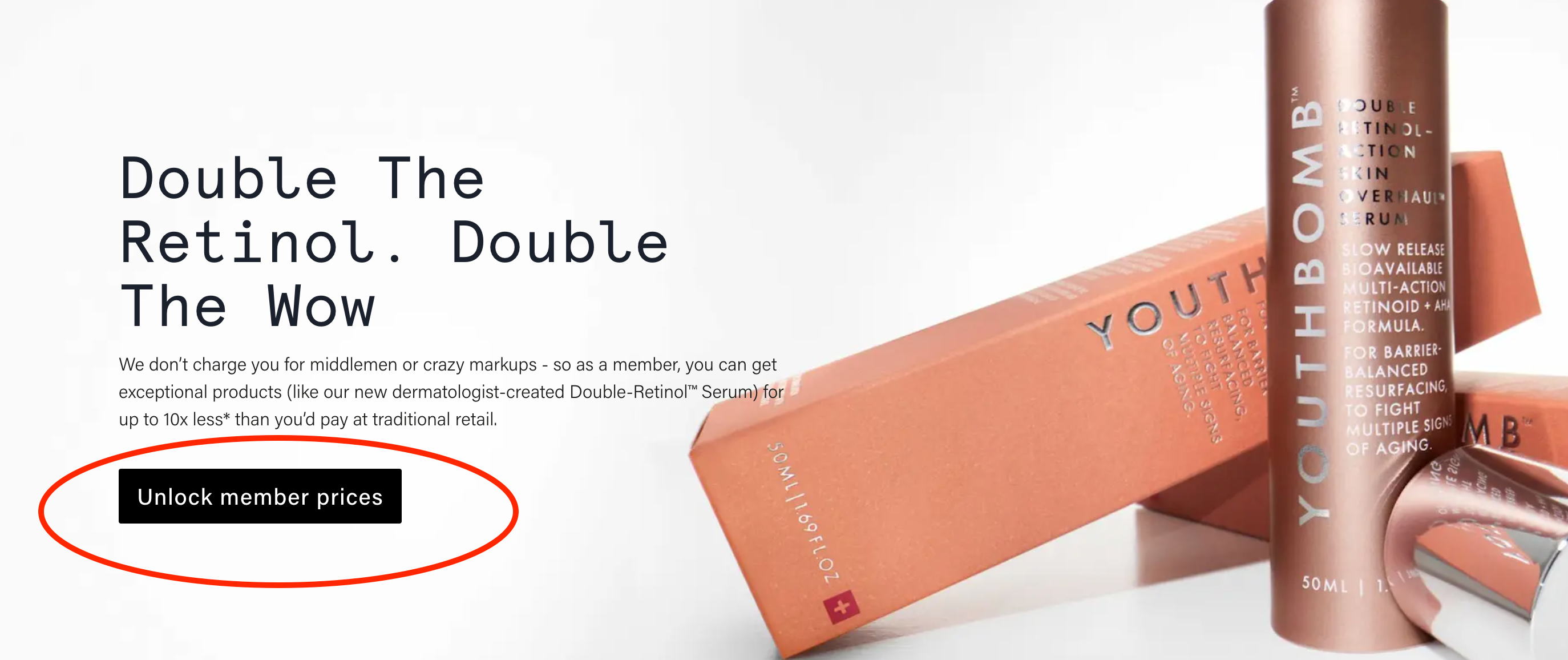
This is currently the hero banner for Beauty Pie, a luxury-level skincare line that passes along savings to its members. Members pay a monthly fee to unlock additional savings that aren’t available to non-members. The incentive is there: high quality skincare without the markup. Plus, with Beauty Pie’s 4.8 star rating on Trustpilot, the prospective member is convinced that the claims are true not from what the company says but from everyday skincare aficionados like themselves. This is why social proof through the use of reviews or PR is vital, especially if you’re selling a high ticket product, but I’ll delve into that on another blog post.
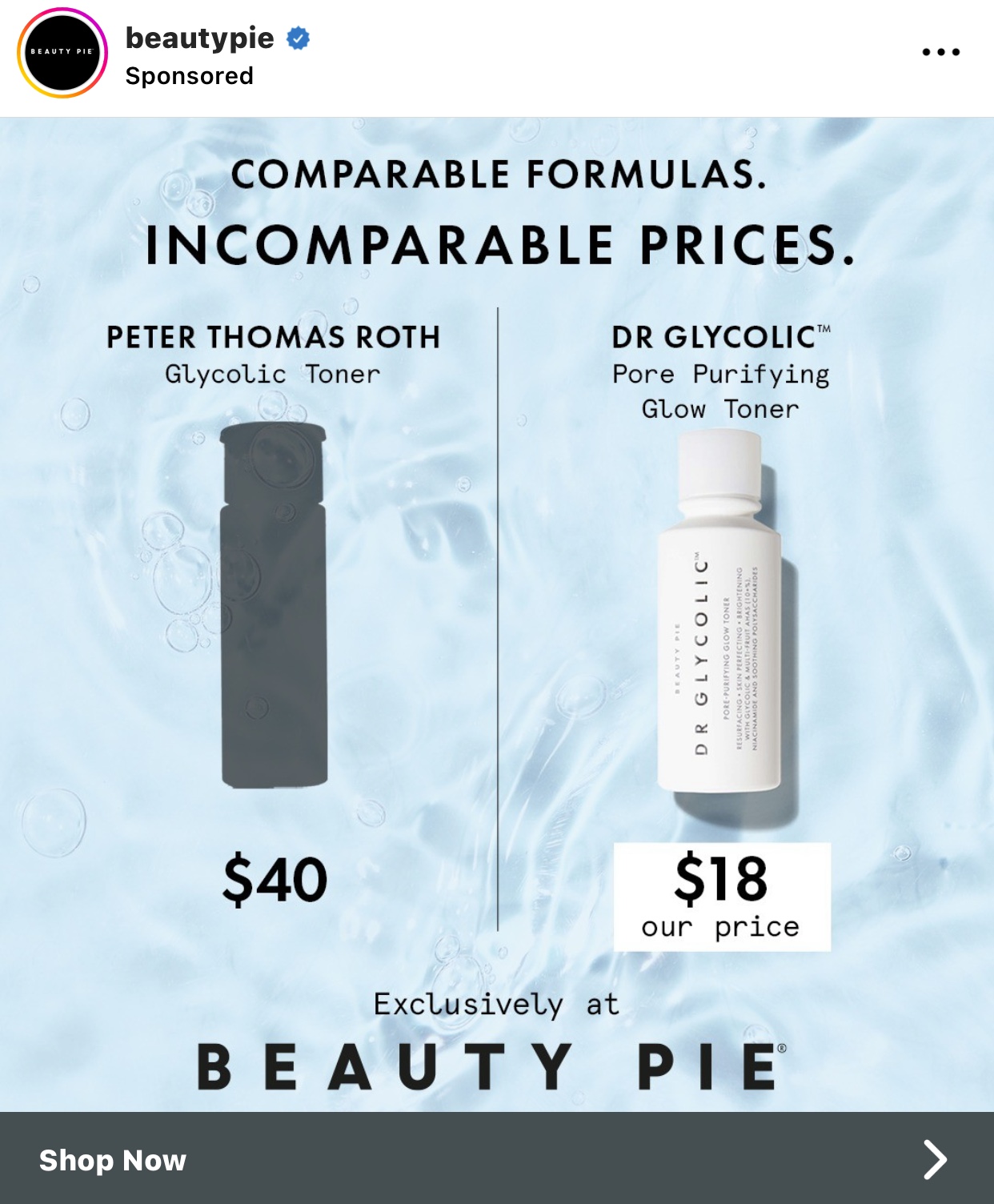
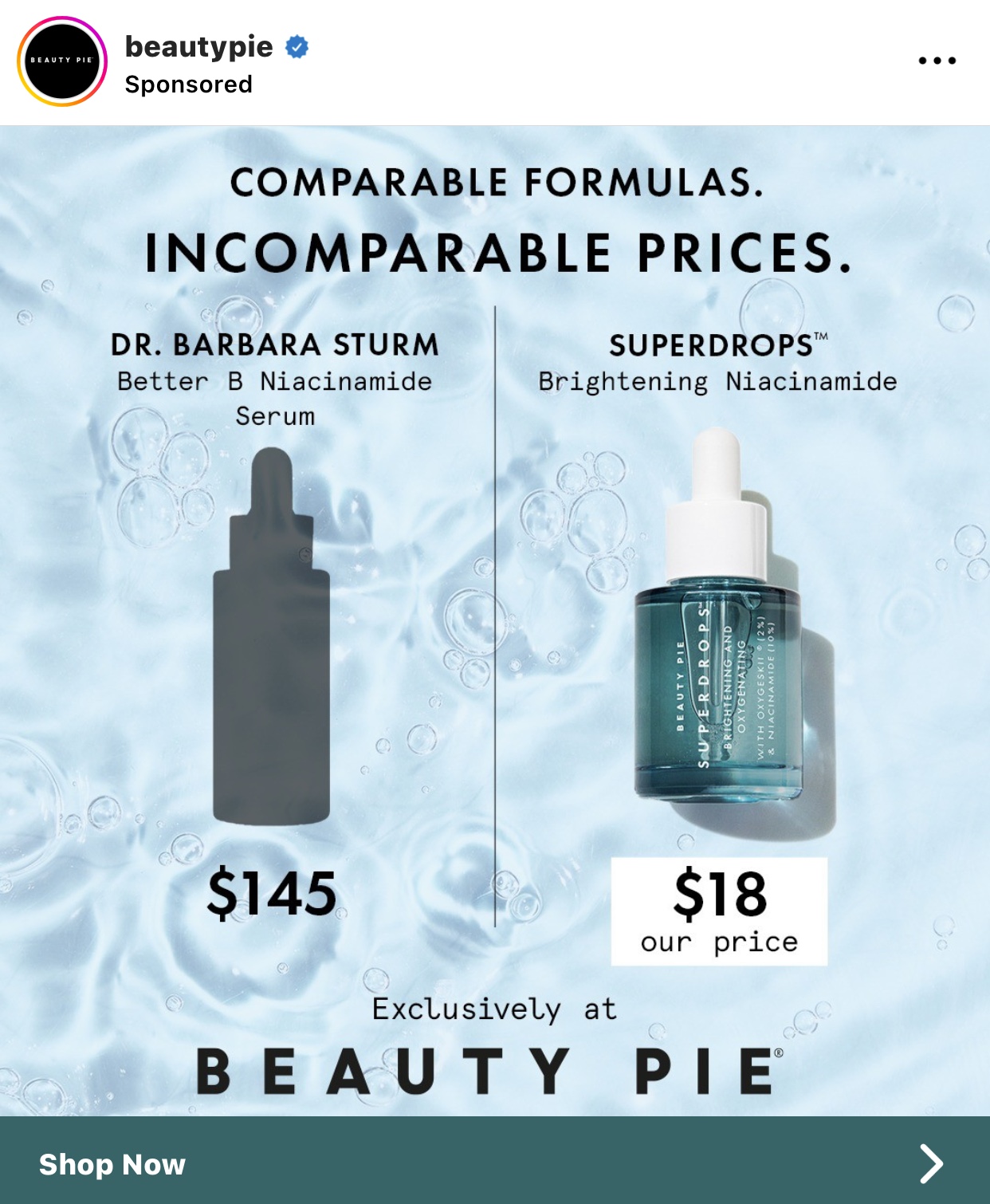
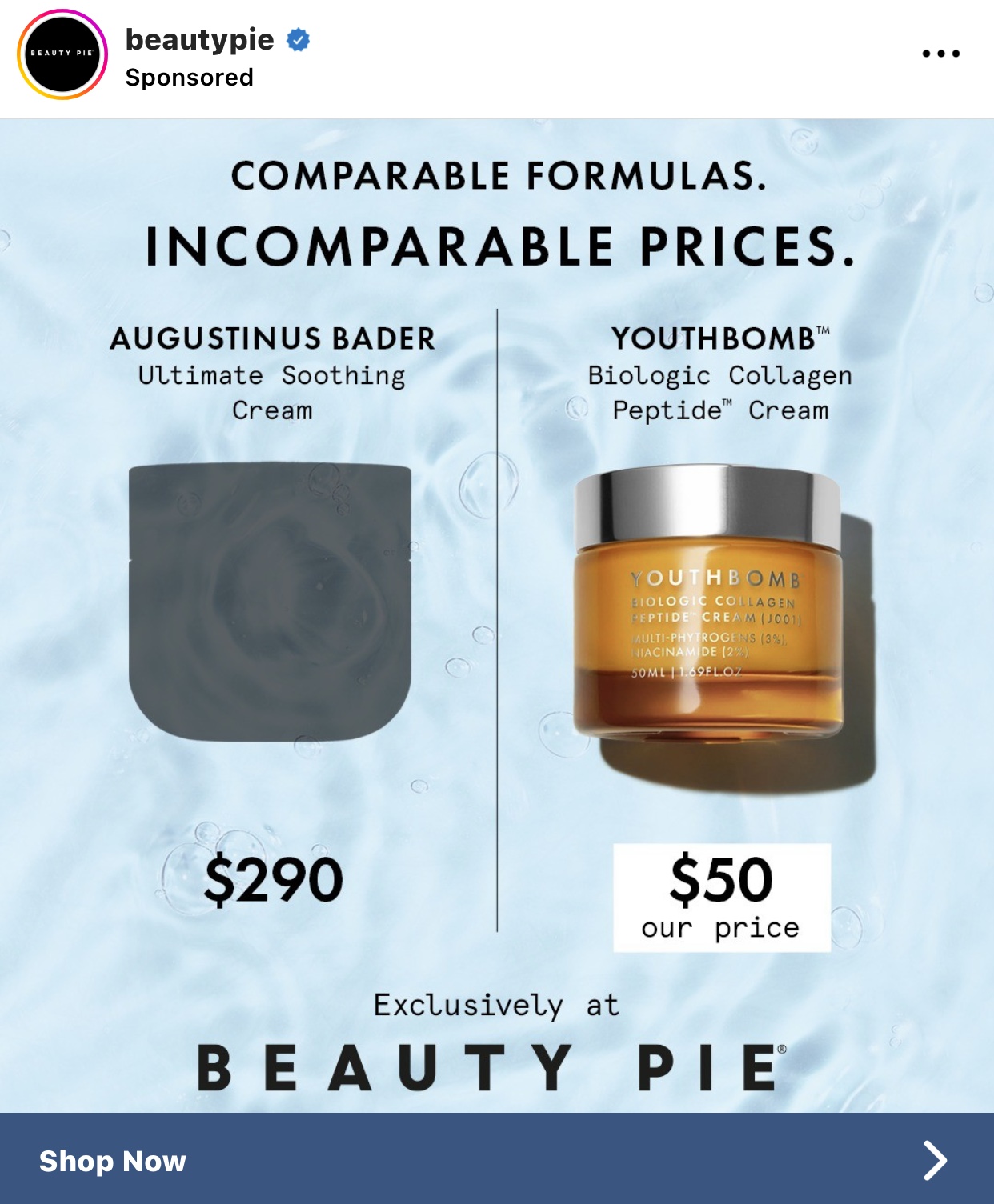
Beauty Pie reinforces the value through its hero banner speaking to the quality (and size) of their Youthbomb Double Retinol Skin Serum. Their ads also draw the comparison of their prices versus the cost of the leading alternative product. See how there is no discount in sight? The value is shown in the quality of the product through becoming a member. The CTA “Unlock member prices” invites you reveal your potential savings. All you have to do is become a member.
Element 2: A good offer resonates with your customer’s key objection(s).
Your customer sees a lot of marketing messages per day. It’s likely that your people are desensitized to ads appearing on their feeds, in their streaming services or in their offline worlds. You can catch their eye with captivating imagery, but that’s just the first step. Captivate their imagination and inspire action by speaking directly to their objections.
Your customers are a getting fatigued by even the most interesting, entertaining ads. They’re also building up objections in their minds as they’re viewing your ads, thinking of 5 reasons to not purchase your product within 5 seconds of viewing your ad, landing page, etc.
This is why speaking to the most painful objection packs a massive punch in getting your future customer to convert. The marketers behind Parade Underwear just get this:
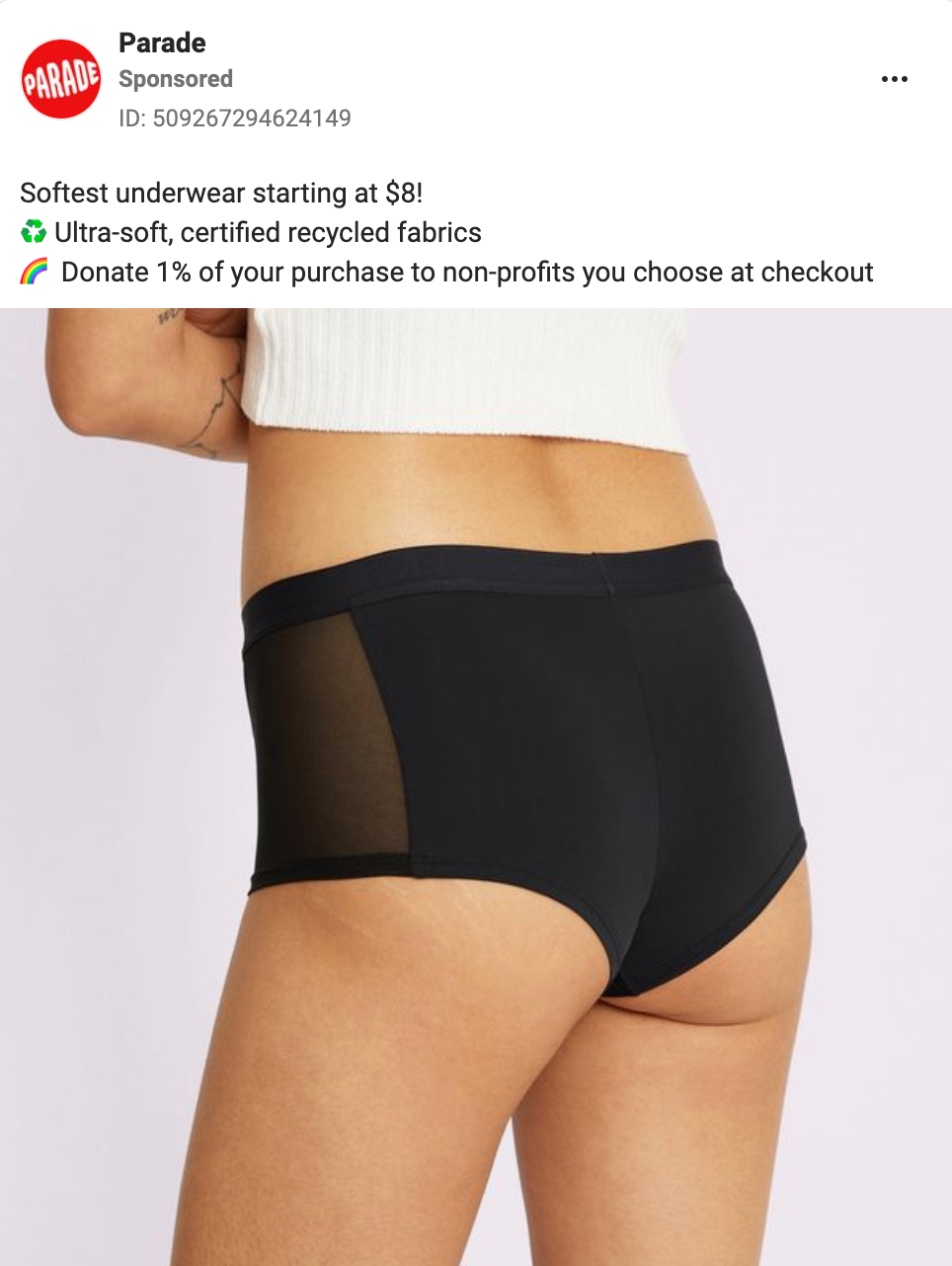
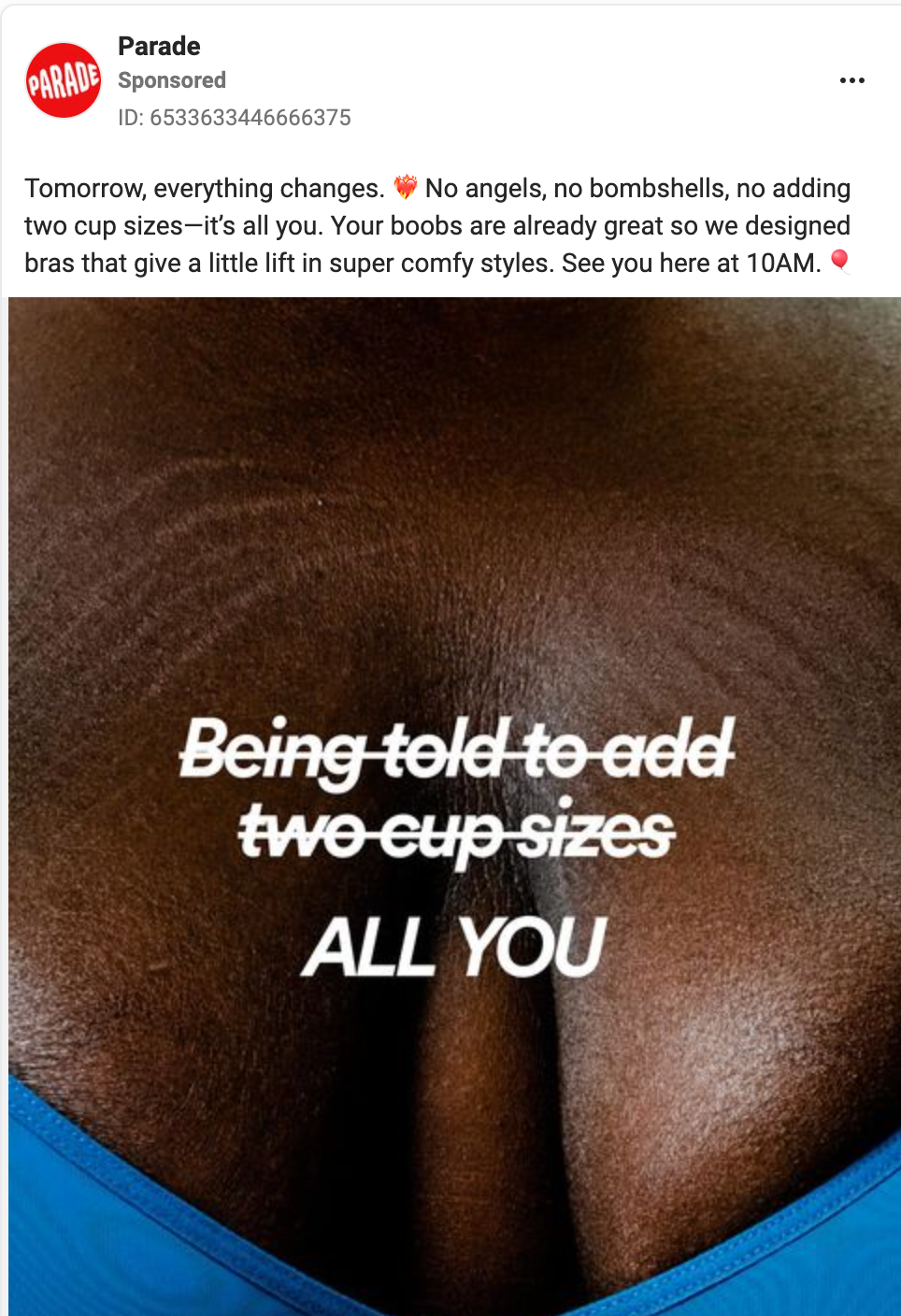
The offer is essentially that their underwear brand “starts at $8” but notice how they don’t lead with the monetary incentive? They tout how their underwear is sustainably made and how your 1% of your purchase can go to a non-profit of your choice. Parade respects their customer and knows how important sustainability is to them in light of fast fashion’s impact on the environment. This offer is a double edged knife in how Parade differentiates itself from incumbent lingerie brands and appeals to their customer’s consciousness.
How do you identify your customer’s key objections? I’ll give you the step-by-step in another post.
Element 3: A good offer has urgency of some sort
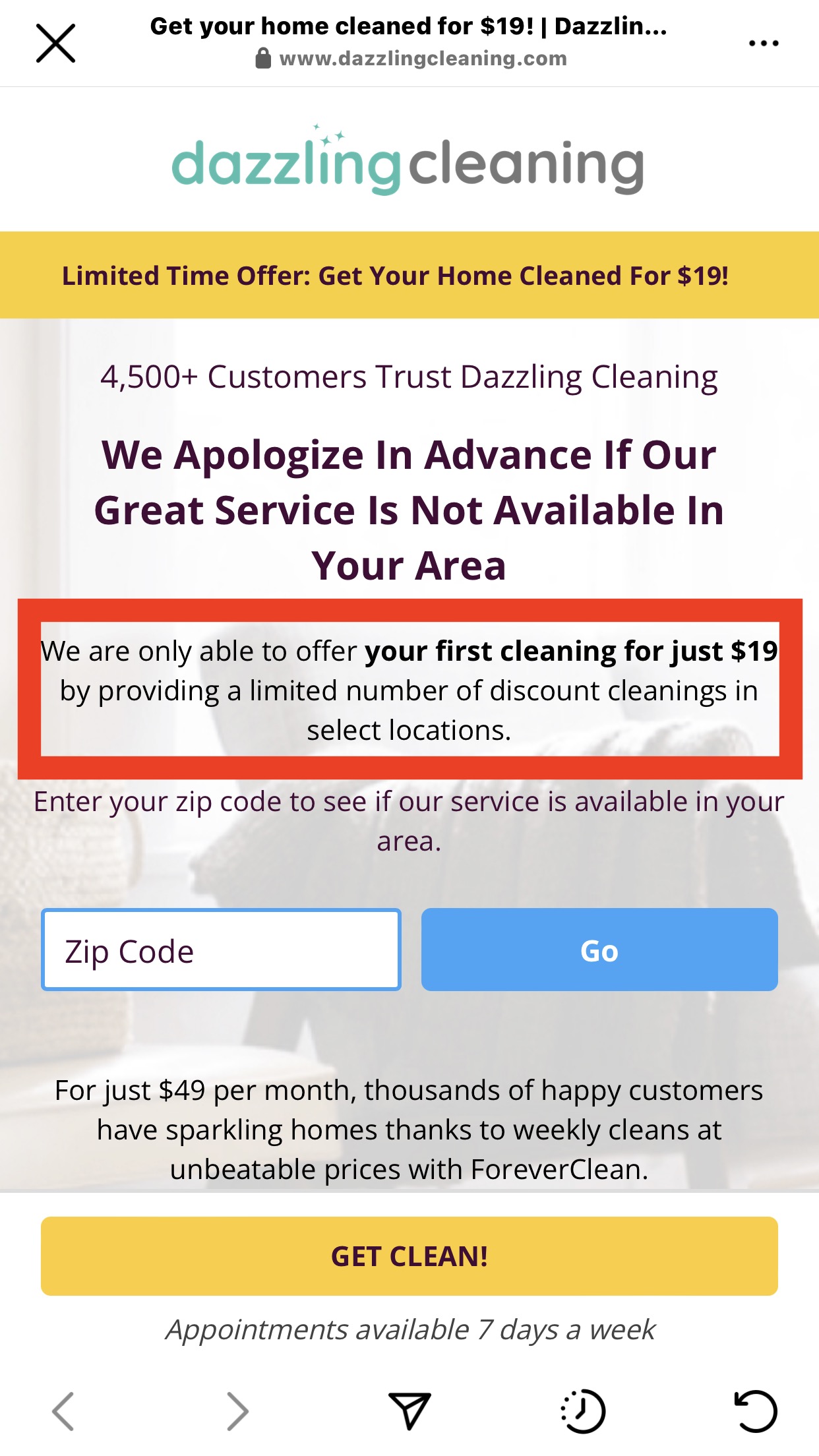
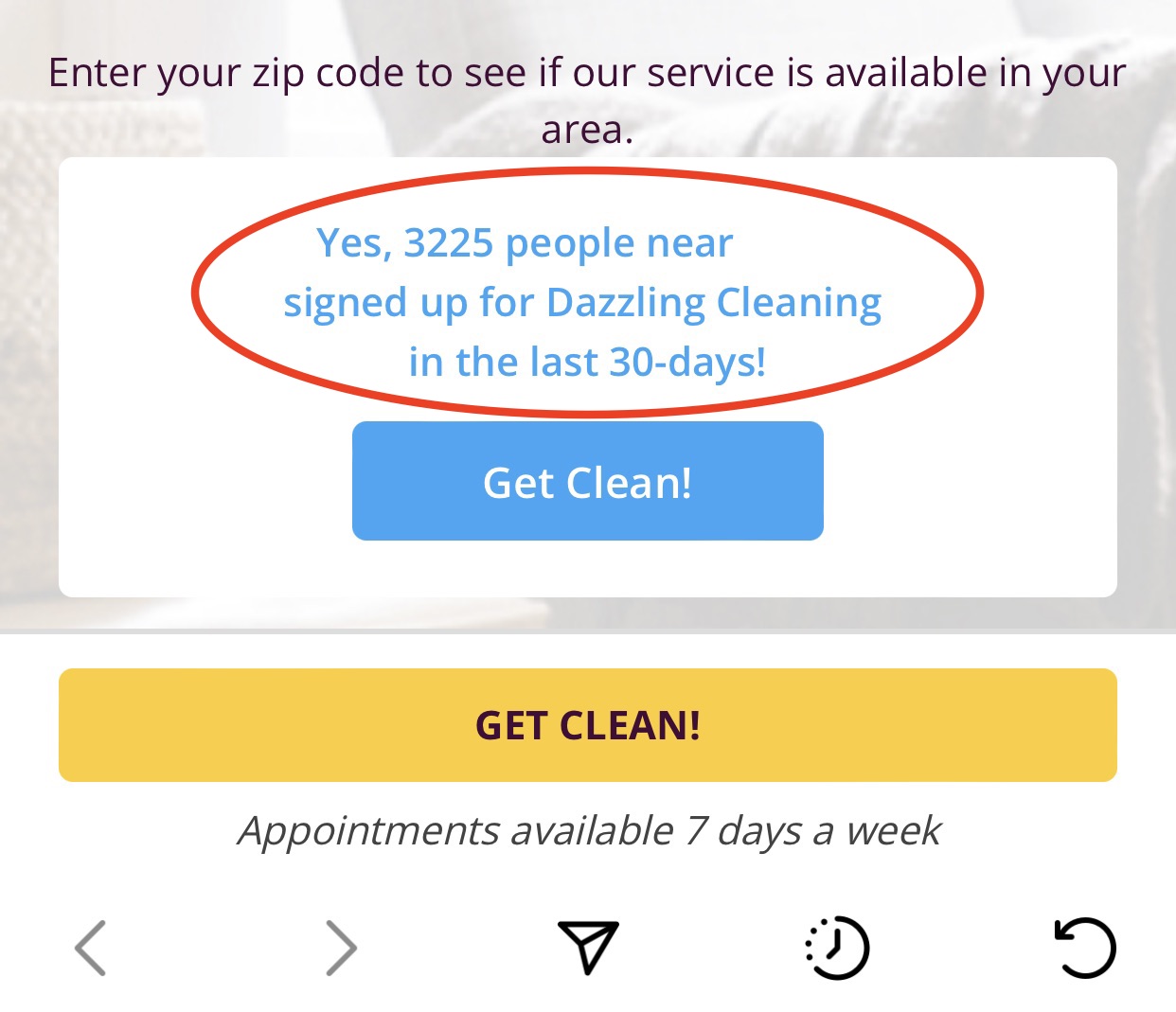
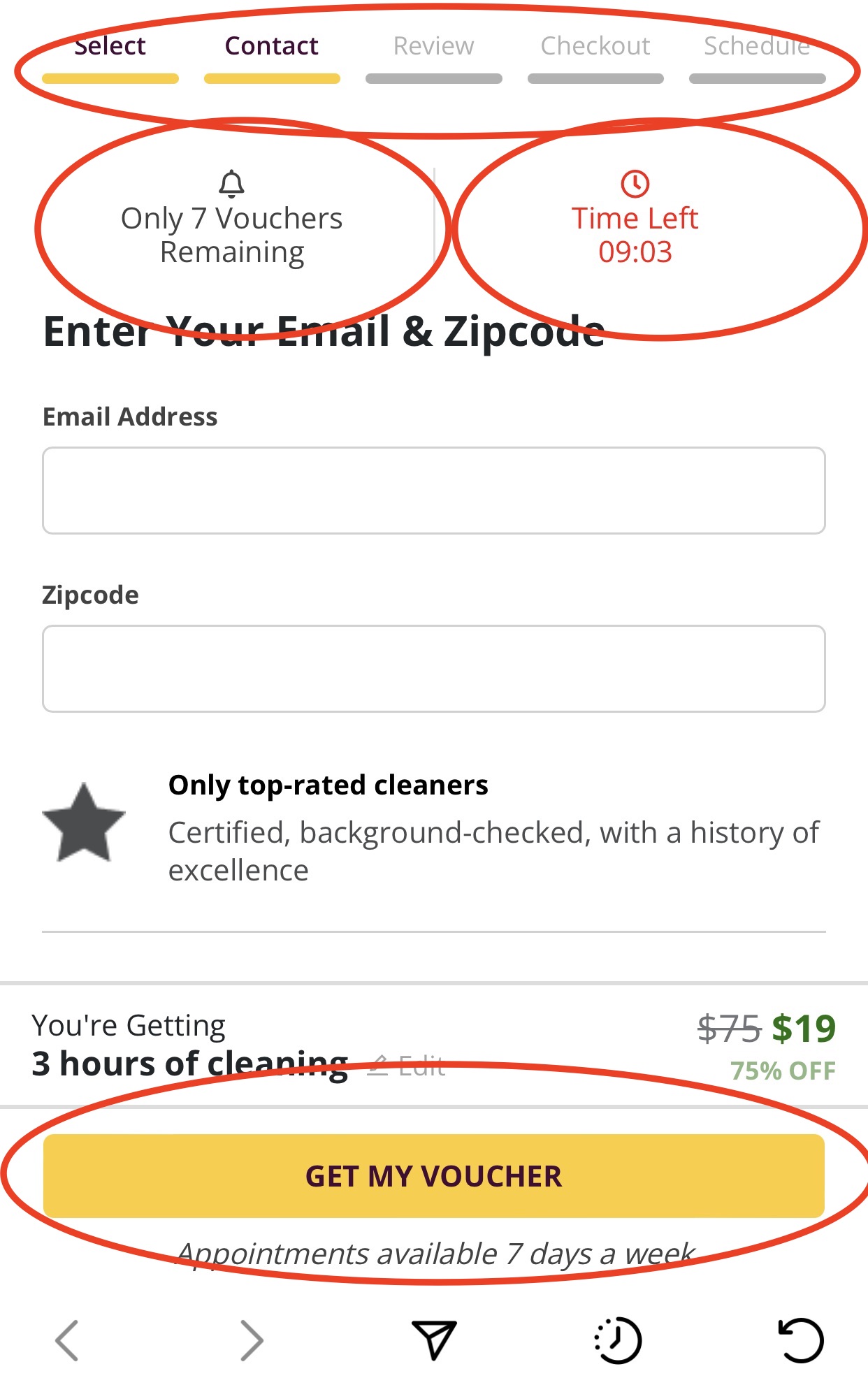
Dazzling Cleaning is one of the few brands that utilizes urgency and social proof so intently that I’m almost certain that if they’re not getting astronomically high conversion rates, at least their signup rates must be through the roof. Why do I feel this way? Look at their expert layering of urgency of “a limited number of discount cleanings in select locations” in their landing page, a message that your zip code is within their range of ‘select locations in their follow up page, and a timer + voucher combo to get you to enter your email?
These are the kinds of things only a growth marketer will concoct because they know that an offer is made crazy irresistible by making it limited. Layering it on this way goes further than just saying ‘Buy Now!’. Your customer knows you want them to hurry and purchase your product. It’s just more impactful if you show them what they stand to lose if they decide to wait.
You have to make them feel like waiting to decide is risky. Your products are in low in stock and in high demand for them to pass up on this small window of opportunity.
Element 4: A good offer sets your brand up for a strong retention strategy.
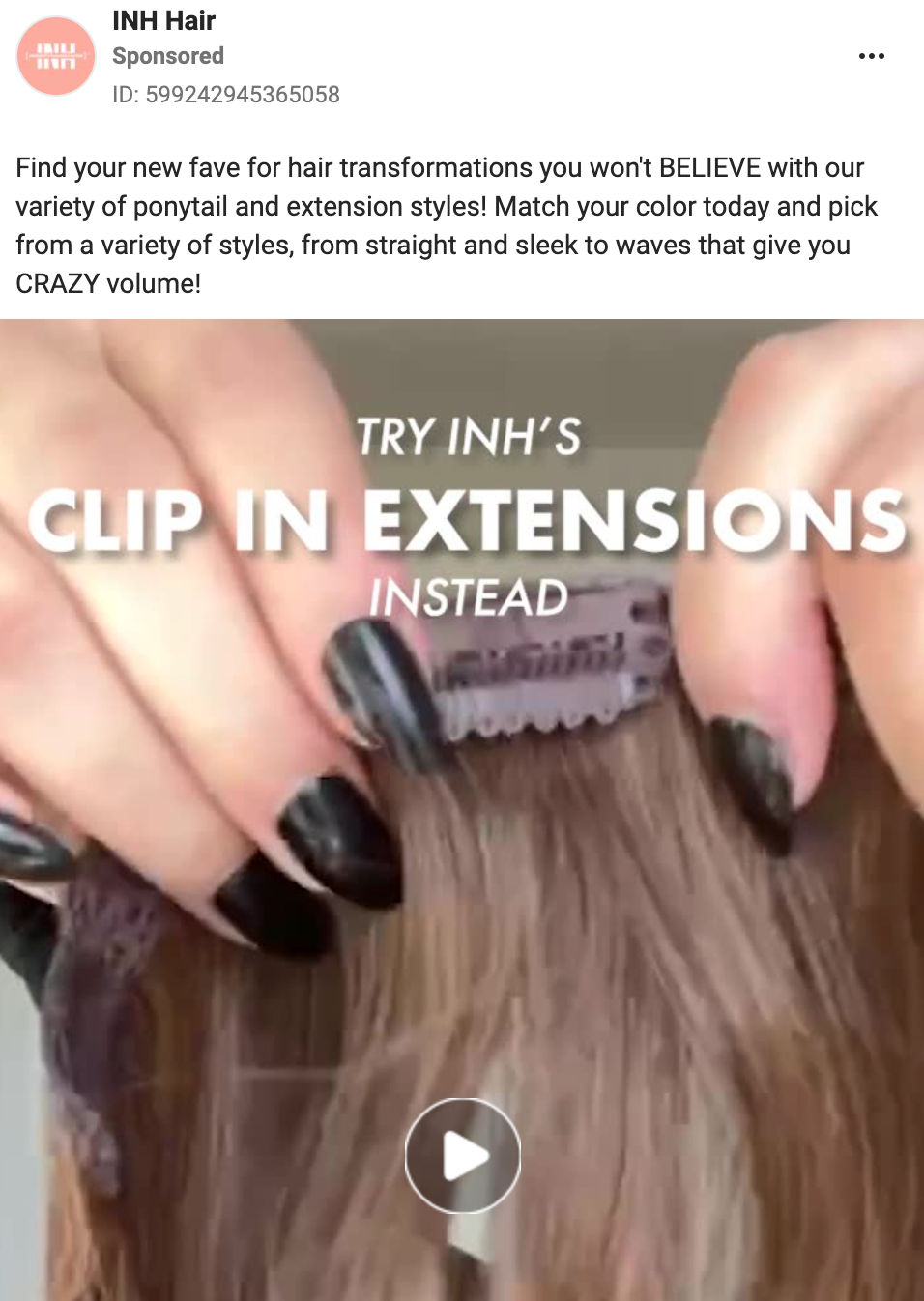
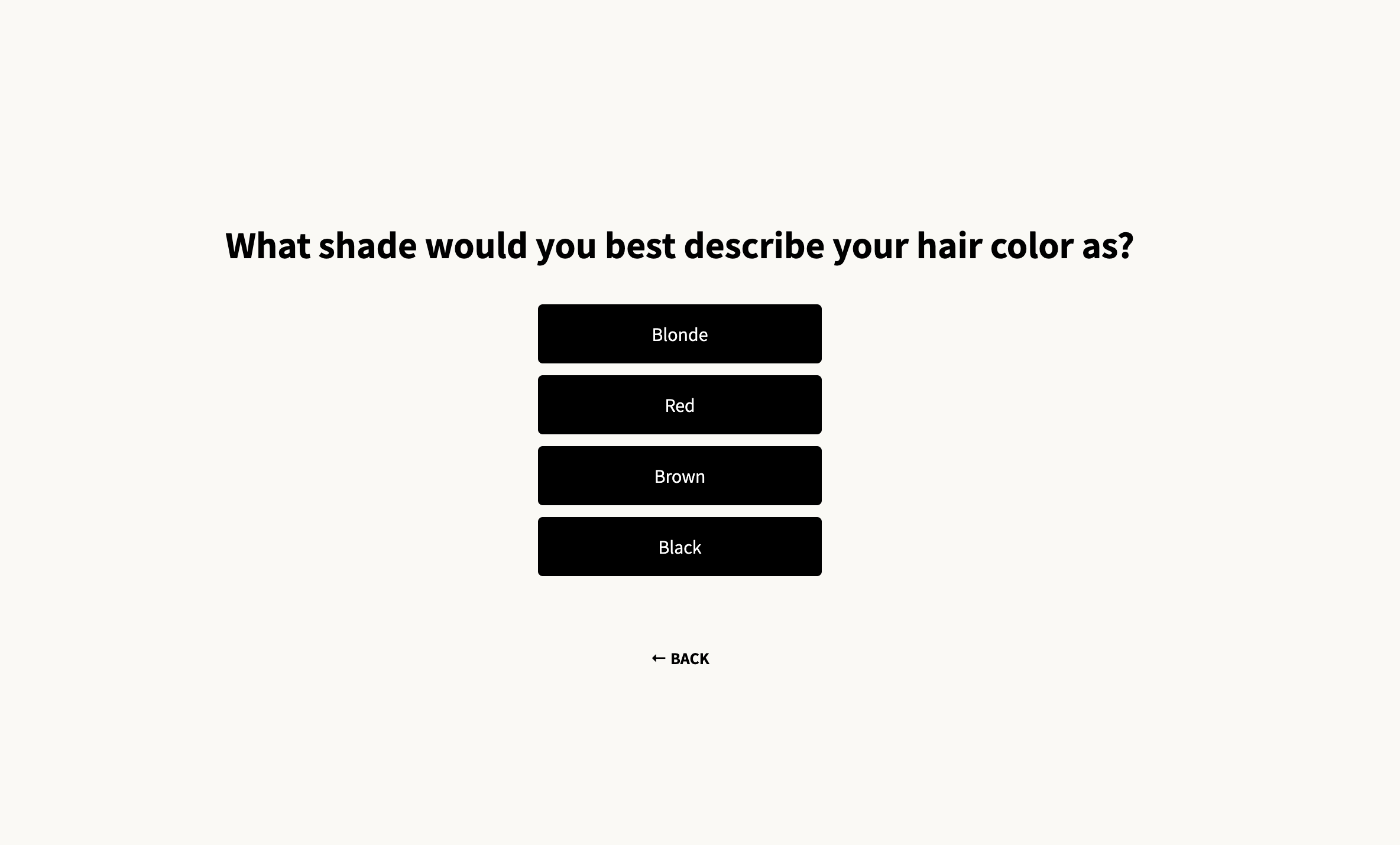
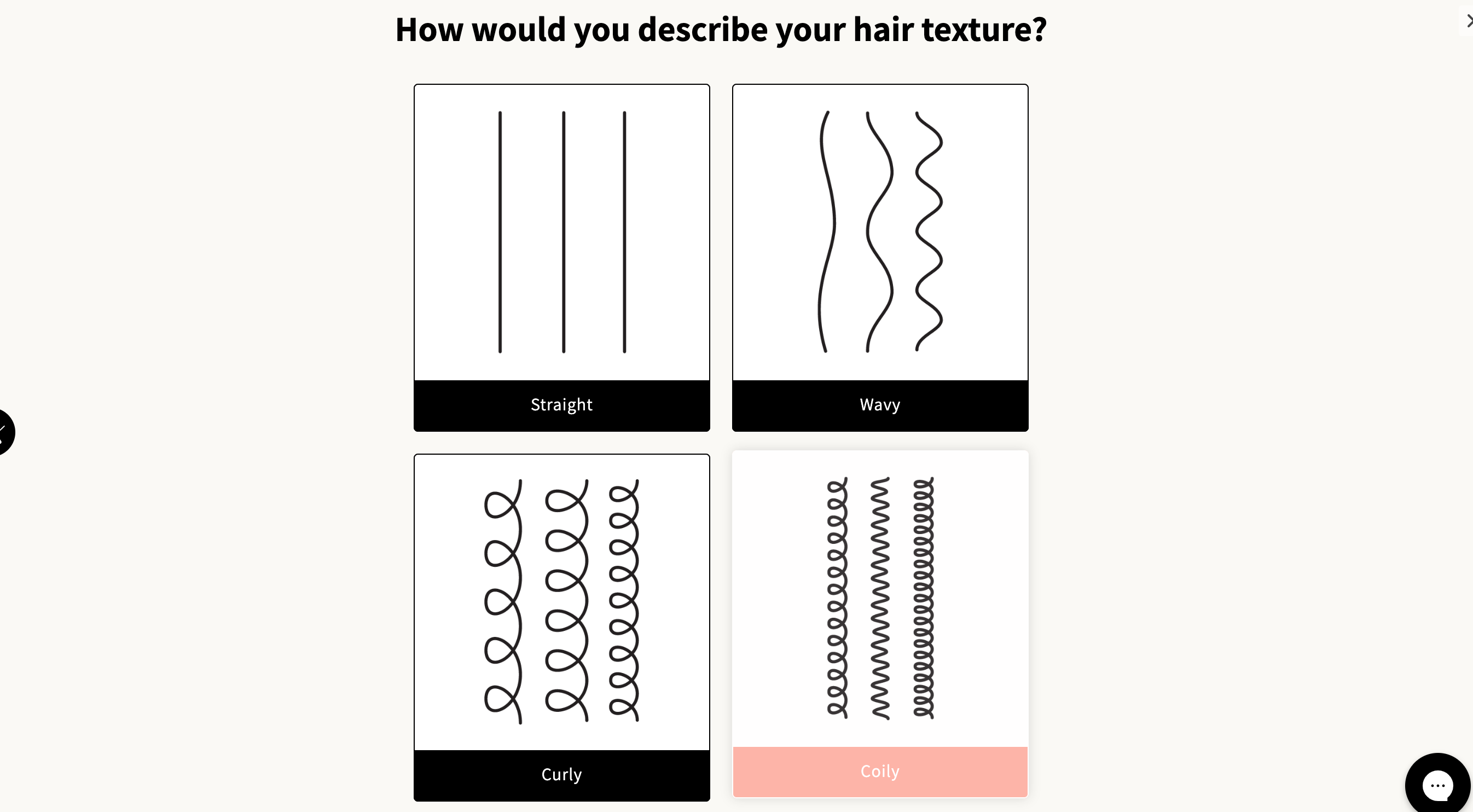
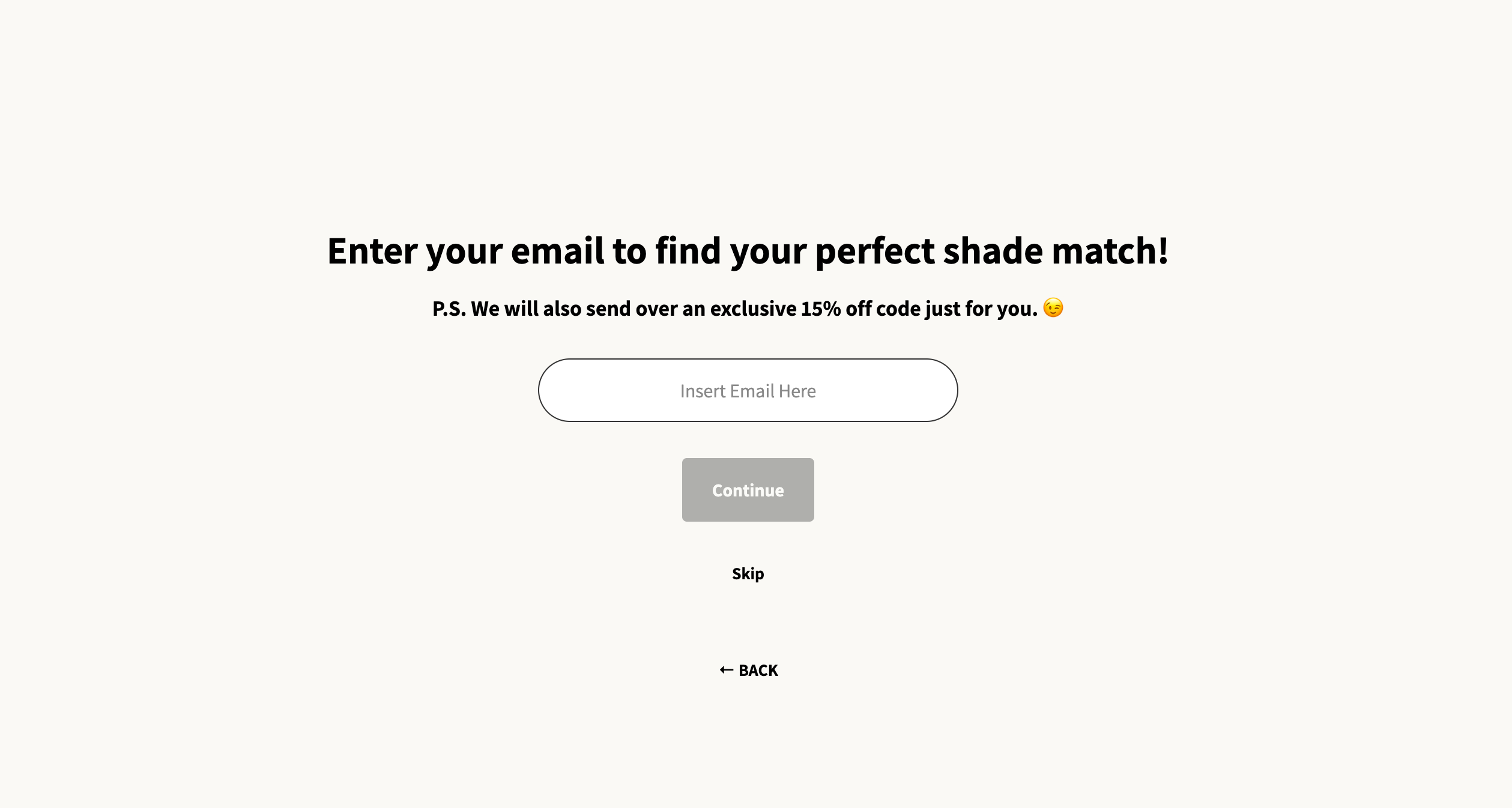
Insert Name Here (INH) is a clip-in hair extensions and hair accessories brand I’ve been enamored with since 2021. I discovered them through a Facebook ad after searching for fuss-free clip-in extensions on Google. The ad spoke to me as a consumer and as a marketer. After clicking the ad it seemed like they were in my head as I asked myself “Whats my exact hair shade?” The click lead me into a color match quiz where I would find the answer sent to my email. The fear of purchasing clip-in extensions online were quelled with styles perfectly matched to my natural hair color and hair pattern. Not only was my primary objection resolved within minutes, the added discount made the purchase decision a no-brainer.
Aside from the quiz leading me to purchase of perfectly color matched clip-in extensions, I imagined how all the answers I entered gave the INH team additional data points about me: black brown hair, coily hair texture, my ethnicity and between the ages of 24-35. I have noticed how a lot of the emails are tailored to me and I’m pretty sure that when their first tightly curled clip-in extensions launched in mid 2022, I was placed on a segmented list of customers whose hair fit the category.
A good, well thought-out offer can set your brand up for a successful retention strategy. It doesn’t always need to be a quiz – however, the key lies in deeply getting to know your customer through mechanisms such as a post purchase survey, a pop-up with a questionnaire or through giveaway entries.
Knowing your customer
That foundation is getting to knowing your customer. It’s the basics of a well-crafted offer. Notice how knowing your customer was also the key to making your brand sticky in my previous post? Well, the same foundation applies with offer building. How do we get to know our customers inside and out? How do we learn about who they are, what motivates them in everyday life, why might they object and how to make your product speak to their emotion and logic as well? You’ll have to keep reading.


