
Failing brands have the same characteristics. As a marketer, I’ve had a couple of bosses (or clients) that initially expect me to perform miracles. Thanks to most marketing podcasts, influencers and agencies of the world there is a notion that marketing is a high-reward, easy-to-do discipline. The attitude ranges from “any one can do it” or “we need to pay a $16,000/month retainer to make it work” both of which are two illogical extremes.
Now that I’ve been agency side for nearly two years, I now have a sufficient experience to compare against my brand side marketing manager experience.
It’s easier than ever to discern the brands that will absolutely waste my time by underfunding or under appreciating my work. The universe hilariously balances this out because they’re also likely to fall for scamming ad agencies or ad “experts”, too. I’ve gotten vindicated numerous times by witnessing it happen more than once.
I’d like to preface this by saying that this isn’t coming from a place of hate or anger. I’ve generally had great experiences with most of my clients/former jobs. Most of you listen, LOL. However, in this post I feel like I should outline the characteristics of brands likely to fail in paid media advertising. Business owners, I want you to take note of this list so you can avoid getting in your own way as you endeavor to grow your business. It’s generally 3 or more of these five telling signs:
No foundational marketing strategy or north star
I want to start with this first because this has been very disorienting for me as a marketer. While one of my specialties is helping brands develop their funnels and traffic systems (See my Audit and Funnel Exploration service), I’ve encountered many business owners who don’t even understand its importance in their paid media strategy. Not having a marketing strategy or a north star goal ironed out can really delay growth and render your paid media efforts worthless. I’ve seen hundreds of thousands of dollars being spent aimlessly without any conclusive goal being met… other than aiming for an arbitrary ROAS goal!
Incomplete understanding of attribution and over-reliance on the antiquated sales funnel in this digital age (!!!)
I have walked out of meetings and phone calls completely flustered after having to explain that the traditional funnel is outdated and not a true reflection of the average person’s buying journey. After the iOS 14 privacy updates upended the digital advertising world in 2021, marketers had to had no choice but to get used to the new paradigm: with the loss of tracking fewer data points would be recorded, resulting in more gaps in conversion attribution.
We opened our Facebook ads accounts to see… crickets. Meta eliminated their default 28-day attribution/optimization window and replaced it with 7-day attribution. Pixels ceased in recording web events, and overnight, 30% of on-website purchases would occur under-reported. As ROAS dropped, marketers freaked out and ever since, attribution became a fundamental aspect of digital marketing.
In the time since, Meta has improved reporting by adding statistical modeling and ConversionsAPI to fill in some of the gaps but even with attribution being spotty, business owners tend to forget that there are real people behind every ad click. Very few people immediately buy upon seeing an ad for the first time. I mean, think of the last ad you’ve seen on Meta or on Google Search. Did you immediately buy from the ad you clicked?
The truth is, it takes at 5 to 7 interactions with your brand for a customer to convert. The average person is on Facebook or IG not in the mind-frame to purchase in the first place. They’re just scrolling, living life. They see your ad. Then they go back to living their lives.
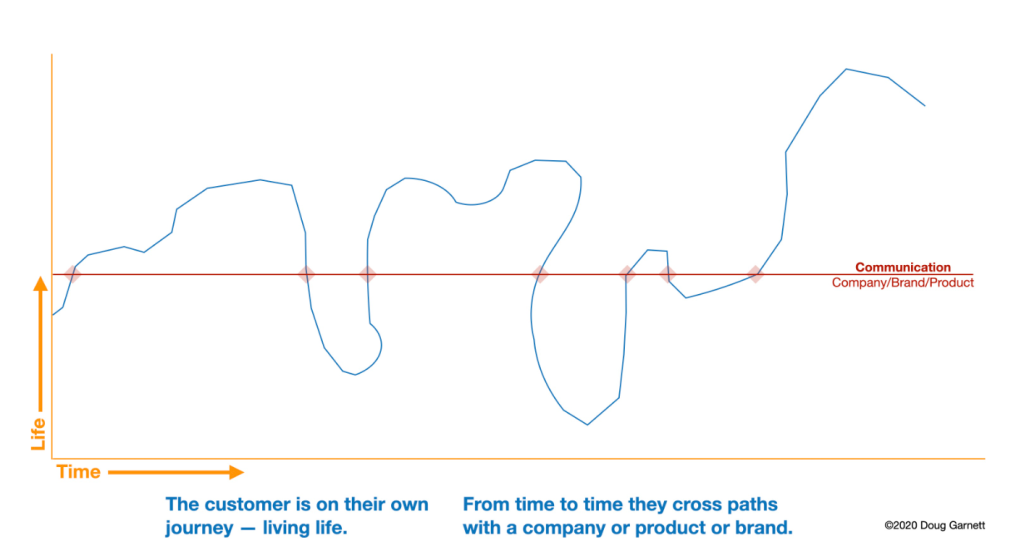
We delude ourselves into believing that we can accurately predict when the conversion will happen, but for all customers, their “journey” and how relevant your product is in their lives at the moment, will be the ultimate deciding factor on if they’re purchasing now or somewhere down the line or never.
Complex spreadsheeting or chronic data harvesting without any actionable insights
Running a business in this day and age can be very anxiety inducing. But please don’t cope with endless data harvesting and spreadsheet trackers. Storing and organizing data is generally a good practice – when you don’t measure your results you are doomed never optimize them. However, there is a point where copious spreadsheets to track un-necessary metrics can become detrimental to growth.
The key is to analyze the data to identify trends or the review the outcome of your strategy over a certain lookback period. I see many businesses falling into the illusion of control just because they’re tracking metrics in a spreadsheet. Nine times out of ten the data being collected are vanity metrics that offer no true insight or purpose.
Unrealistic sales projections or goals not based in historical trends (or facts)
If you’re a new brand, disregard this point. I’m talking about businesses that have been active for at least 2 years and are seeking to expand their customer base with digital advertising. Running ads on these platforms will humble you – especially if your ad account is new. It takes at least 3-6 months for an account to get traction and develop the first wave of engaged users or buyers. I always warn my clients (with fresh, brand new ad accounts) that things can get bad before they get good. Let’s not create sales projections based on performance your ads have not yet achieved. Build some history and afterwards make your sales projections if you wish. We’ll have good months and we’ll have bad months – all of this could be due to a multitude of factors (spend volume, platform deliverability costs, stock issues, promo-induced AOV dips, etc). However, as a media buyer, my job is to keep your ad spend efficient and profitable. Results may not fit perfectly into your month-to-month forecasts.
Reducing or eliminating budget at the first sign of a decline in performance and then wondering why sales are low.
Whew, and now for my final point. This is more of a pet-peeve because my natural reaction is “what do you expect?” However, it must be addressed in case the implications are misunderstood. I know it’s scary to acquire customers through Meta, Google or TikTok ads . I understand that your business is bootstrapped, or that you have investors pressuring you to turn a profit. Once you start pumping a certain amount of spend into the platforms, drastic reductions in spend will immediately evoke a massive drop-off in performance or sales. I mentioned earlier that running ads can be nerve-racking but you’re doing yourself zero favors by dropping spend at the first sign of a decrease in performance. This is especially true if your campaign hasn’t left the learning phase – you could be creating a negative feedback loop that spirals your growth straight to the bottom.
I don’t want to end this post without offering you a solution if you’ve found yourself falling into any of these pitfalls. No idea what your funnel is? I can build one for you. Don’t know if your ads are underperforming? Ask me. Can’t scale your ad account? Book a call and we’ll figure it out. I’m here to help.


